For most first-time safari travellers, I recommend Tanzania. If you are doing a driving safari, Tanzania has the shorter driving distances. If you are flying between camps, Kenya is just as good. Kenya is the better choice if you want to see rhino, enjoy walks and night drives in a private conservancy, or want ethical animal experiences such as the Giraffe Centre and the Sheldrick elephant orphanage.
Kenya and Tanzania are both superb for a first safari, and the right one depends on how you like to travel, when you can go and how much time you have.
I am asked this question more than any other. I live in Enonkishu Conservancy in the Maasai Mara, so I know the Mara well, but I also lived in Tanzania for over 3 years and have travelled a lot in Tanzania. They both have their pros and cons and I will tell you plainly which I think is the better choice for you once I understand what you are looking for. But for a general overview keep reading.
Living in the Mara, this is the thing that changes how you see it. The Serengeti and the Maasai Mara are, in the eyes of the animals, the same place. It is one ecosystem, and it’s only the country border that splits it in two. The wildebeest cross back and forth as if the border was not there. So there is no reason to go to both sides, unless you are just trying to tick off countries.
If you want the short version before the detail:
Choose Kenya if you want smaller, quieter camps in private conservancies, the freedom to go on walks and night drives, and a better chance to see Rhino.
Choose Tanzania if you want vast, wild landscapes, the Ngorongoro Crater, you are travelling in the months when the herds are in the Serengeti or you want shorter drives between locations.
Whatever you choose, the most important decision is not the country. It is who plans your trip and where you stay.
The wildlife is wonderful in both
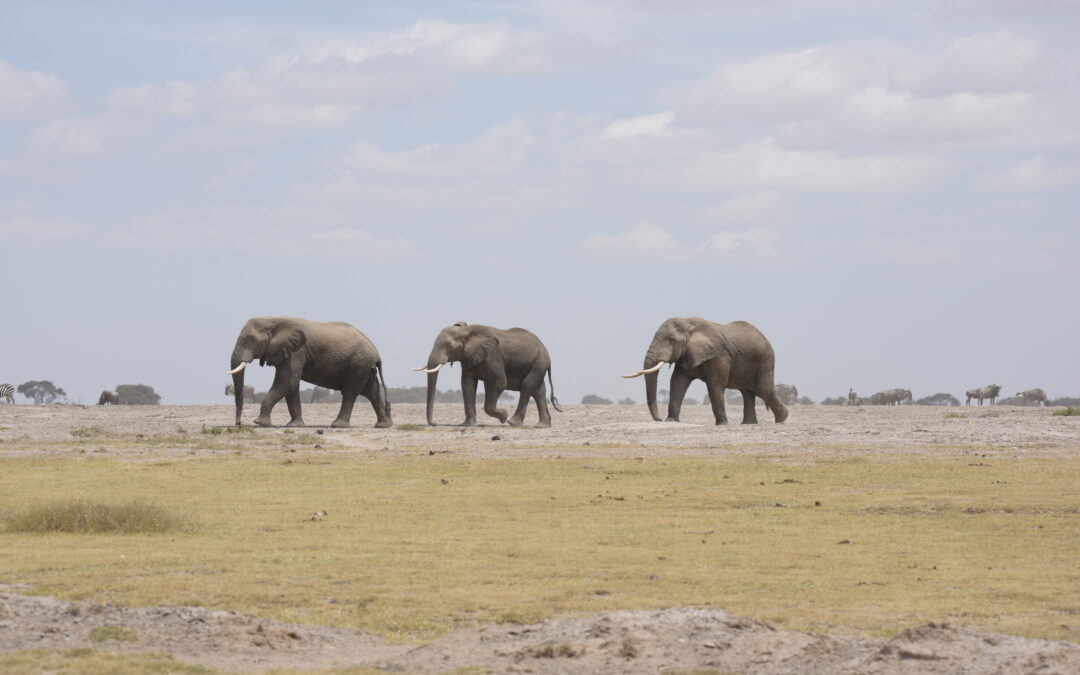
You will see lion, elephant, giraffe, zebra, buffalo and more than enough birdlife in either country. The Maasai Mara in Kenya and the Serengeti in Tanzania are in fact one connected ecosystem, and the wildebeest herds move between them throughout the year. The difference is not what you see. It is how you see it.
Kenya has a bit more variety given that it has desert-adapted animals north of the equator. A trip to Samburu, Lewa, even Shaba, gives you the opportunity to see Grevy’s Zebra, Beisa Oryx, Reticulated Giraffe (the most beautiful of the giraffe species in my opinion), Vulturine Guineafowl, Somali Ostrich and one of my favourite, the Gerenuk.
It is well worth a visit north of the equator in Kenya to catch a glimpse of these if you have never seen them.
A dazzle of Grevy’s zebra
How you experience a safari is different
In Kenya, much of the best wildlife viewing is in private conservancies next to the national reserve. Fewer vehicles are allowed, camps are small, and your guide can drive off the road, take you out on a walk or go out after dark. That is how you see relaxed animals and natural behaviours rather than the animals riled up and on edge, as they can be inside the national parks where there are lots of vehicles and overcrowding.
Most Tanzanian national parks keep vehicles on the tracks and do not allow walking or night drives. In exchange, you get enormous, open landscapes that feel endless, and the Ngorongoro Crater, where a great number of animals live in one volcanic bowl. There are also private areas in Tanzania where the rules are more flexible, so it is worth asking before you book.
What the migration means for your dates
The great wildebeest migration is a year-round circle, not a single event. As a general guide, the herds are usually in the Maasai Mara from around July to October, where the Mara River crossings take place. The herds are crossing between the northern Serengeti and the Mara, so you can see them from either side. From roughly January to March they are in the southern Serengeti, where the calves are born. Outside those windows, there is still plenty to see, and the camps are often quieter.
I will never forget my first migration, in 2015. I did a combined Kenya and Tanzania safari with a friend, and I had never seen anything like it. There were animals as far as I could see, so many that they looked very, very small on the plains. It is a sight that stays with you.
If the river crossings are your priority, think about Kenya or northern Serengeti in the second half of the year. If it is the calving season, Tanzania is the better fit. No one can promise a crossing on a given day, and I would be wary of anyone who does.
Kenya and Tanzania side by side
Kenya
Tanzania
Famous for
Maasai Mara conservancies, Amboseli, Laikipia, Samburu
Serengeti, Ngorongoro Crater, Tarangire
Walking and night drives
Yes, in private conservancies
Yes, in private wildlife management areas
Getting there
Fly into Nairobi, then a short flight to the Mara
Fly into Kilimanjaro or Arusha, then light aircraft/drive between parks
Beach add-on
Diani or Lamu
Zanzibar
When to go
If you are free to choose, I would go in September. July and August are the busiest months and there are vehicles everywhere, especially at the Mara River. In September it is quieter, it is dry so the animals are easier to see, and the migration is still on. It is the month I recommend most often for a first safari.
If you have been before, or this is your third, fourth or fifth safari, the rainy green season is wonderful too. It is quiet, the landscapes are lush and the camps are at their best value.
How long you have matters
For a first safari, I plan one country at a time. If you have around ten days, trying to fit in both means spending much of it in the air or on the road. Seeing one place properly is more restful and more memorable. If you have two weeks or more, a combined trip can work well and I am glad to plan one.
A popular combined safari for around 2 weeks is a Gorilla trek in Uganda, followed by a traditional safari in Kenya/Tanzania, then some relaxation time at the coast.
I had guests recently who wanted to do both Kenya and Tanzania, but they did not have long enough. I told them it was better to choose one. In the end they chose Tanzania. It was their first safari and they did not want long drives. They were also interested in the migration, and at the time they wanted to travel, the migration was in Tanzania. It was an easy choice once we looked at it that way.
The Coastal extension
Both Kenya and Tanzania offer beautiful, white sandy beaches and crystal clear waters, a perfect place to relax after your safari before heading back to the rat race when you get home.
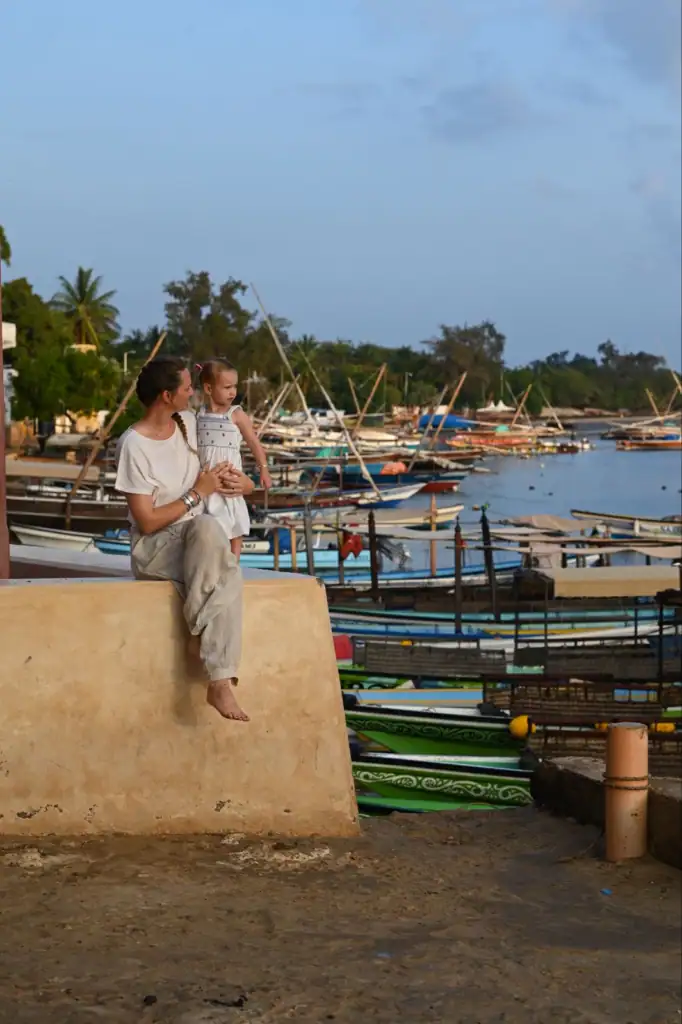
In Kenya you can go to Diani, Mombasa or a small island called Lamu. Lamu is my personal favourite as it also offers some variety in terms of cultures and it’s easier to be surrounded by the locals rather than tourists.
In Lamu you can stay in Shela for the beach area or Lamu town for culture. Think small cobbled streets, nooks and crannies, shops and markets, samosas and mandazis.
In Zanzibar make sure you have time to spend in Stone Town as well as at the beach. Depending on when your flight gets in/out I usually schedule 2 nights in Stone Town at the start or end of your time in Zanzibar.
Shela, Lamu islandDiani Beach, Kenya
So which one should you choose?
You are travelling in January to March and want the calving season: Tanzania.
You want the Crater and big, wide landscapes: Tanzania.
You are travelling with children or want something gentle for a first trip: Kenya, with short flights, short transfers and family-friendly camps.
You want to see rhinos: Kenya, specifically Lewa Wildlife Conservancy
You are not sure: that is the most common answer I hear, and it is exactly what a conversation can sort out.
You want ethical wildlife encounters: Kenya, there is giraffe manor/centre and Sheldrick Elephant sanctuary. I don’t send guests to the Tanzanian equivalents, because in my opinion they are unethical.
If a friend asked me tomorrow, I would send them to Tanzania first. I usually do for a first safari. The distances are shorter, the Serengeti is the top destination, and the migration is there for most of the year.
Frequently asked questions
Is Kenya or Tanzania better for a first safari? For most first-timers I recommend Tanzania. If you are doing a driving safari, Tanzania has the shorter driving distances. If you are flying between camps, Kenya is just as good. Choose Kenya if you want to see rhino, or visit the Giraffe Centre and the Sheldrick elephant orphanage.
Can I do both Kenya and Tanzania on one trip? Yes, but not on a short trip. For a first safari I plan one country at a time. If you have around ten days, trying to fit in both means spending much of it in the air or on the road.
When is the best time for a first safari? September. It is dry, so the animals are easier to see. It is quieter than July and August, and you can still see the migration.
Is the migration in Kenya or Tanzania? Both. The herds move in a circle between the Serengeti in Tanzania and the Maasai Mara in Kenya. Roughly July to October they are usually in the Mara, and from January to March they are calving in the southern Serengeti.
Let me plan it with you
You do not need to have this worked out before we speak. Tell me when you can travel, who is coming and what matters most, and I will give you an honest recommendation, whether that turns out to be Kenya or Tanzania. You won’t be disappointed with either. Every trip I plan is tailor-made, and I book it through ground partners I know and trust in Kenya and Tanzania.
Last checked October 2026. Visa rules change often, so always confirm on the official government site before you apply.
If you are planning a safari that crosses borders, the East Africa Tourist Visa (EATV) can save you time and money. But it does not cover everywhere, and applying in the wrong order is the most common mistake I see. Here is how it works in plain English.
What is the East Africa Tourist Visa?
The East Africa Tourist Visa is a single visa for Kenya, Uganda and Rwanda. It costs USD 100, is valid for 90 days and lets you move between those three countries as many times as you like while it is valid. It cannot be renewed or extended, and it ends if you leave the three countries.
It does not include Tanzania. Tanzania has its own visa (see below).
Who needs it?
Anyone visiting more than one of Kenya, Uganda and Rwanda on the same trip, for example Uganda or Rwanda gorilla trekking combined with a Kenya safari.
You do not need it if you are only visiting one country. A single-country visa or the Kenya eTA will usually be cheaper.
Citizens of some countries are exempt or have different rules, so check your own passport on the official sites.
Which country do I apply through, and which do I enter first?
Apply through the online immigration system of the country you will enter first, and enter that country first. The visa is issued by that country, and the other two accept it.
Entering Kenya first: apply on the official Kenya eVisa site and choose the East Africa Tourist Visa as your visa type.
Important: leaving the three countries (for example flying out to Tanzania or home) ends the multiple entry. Re-entering after leaving the zone usually needs a new visa.
Do I need a yellow fever certificate?
Yellow fever is the one vaccination certificate that can be checked at the border in East Africa. Whether you need to show it depends on where you are arriving from, not just where you are going.
Kenya: required if you arrive from, or have had a layover of 12 hours or more in, a yellow fever country.
Tanzania: the same rule. Kenya, Uganda and Rwanda are on the list of yellow fever countries, so if your safari goes from Kenya (or Uganda or Rwanda) into Tanzania, you should expect to be asked for your certificate. Flying in direct from the US or UK does not trigger it.
Uganda: historically required for every traveller and checked at Entebbe and land borders. Uganda’s immigration page now says the certificate is no longer mandatory for entry, but I still recommend carrying it in case an officer asks.
Rwanda: required if you arrive from a yellow fever country.
Good to know
It is a single dose, given at least 10 days before you travel, and the certificate is valid for life.
Carry the original yellow card. Photocopies and phone photos are often not accepted.
If you cannot show it when asked, you can be refused entry or vaccinated at the border (in Tanzania this costs USD 50 and you may be kept under observation).
Children under 1 and people over 60 are exempt in Tanzania, and a doctor can give a medical exemption letter for pregnancy, a weakened immune system or a severe egg allergy. Acceptance is up to the border officer.
Vaccination is also strongly recommended for Kenya itself, so speak to your travel clinic. This is general information, not medical advice.
Do I also need the Kenya eTA?
If you hold the East Africa Tourist Visa you do not need a separate Kenya eTA. If you are only going to Kenya, the eTA (from around USD 30) is the right choice. My full guide is here: No visa for Kenya, how to apply for an eTA.
Going to Tanzania too?
Tanzania is separate. A Tanzania eVisa is USD 50 single entry (US citizens are asked for the USD 100 multiple-entry visa). See How to apply for a visa to Tanzania.
Kenya and Tanzania on one trip: can I go in and out?
This is the question I get most. The official Kenya eTA guidance says the eTA remains valid for more than one entry if you only visit other East African Community partner states (including Tanzania, Uganda and Rwanda), you do not visit any other country, and the eTA has not expired (90 days). Some older embassy notes say a single-entry visa can be reused when crossing from Tanzania or Uganda within its validity. Sources do not always agree, and airlines and border officers can apply rules differently. I recommend asking your safari provider to confirm before you fly, and keeping your plans simple if in doubt.
Step by step
Decide which countries you are visiting and in what order.
Choose your entry country and apply on its official e-visa site only (never a third-party agent).
Upload your passport page, photo and flight and accommodation details.
Pay the fee and keep the confirmation.
Print the approval and carry it with your passport.
I have been a mum for a grand total of 7 months and two week. You may notice a difference between the title (6 months) and what is written (7 months). That is because I wrote this when Leah was 6 months old, and it has taken me this long to get around to posting it…what does that tell you about motherhood.
Trust me, I know, I am in my position to be giving advice, so this is by no means a blog where I am trying to tell people what to do. It’s literally musing about mum life, specifically mum life in the African bush.
Let me tell you, it has been the most amazing and the hardest 7 months of my life.
If it helps some people who might be thinking about travelling to East Africa with their little one, or a new mum, then that’s great. If not then it’s just the ramblings of a sleep-deprived mother, hidden away somewhere in the African Savannah.
Travelling with a baby in East Africa
Travelling with a baby in Kenya is not so easy. Driving distances are long the roads are bumpy, there are no changing facilities anywhere and it’s hard to find clean toilets along the way.
The main thing is to expect and prepare for a long trip. That means something to entertain the baby/child while in the car seat, snacks if they are older, lots of nappies, a portable changing mat, a change of clothes, etc. Also, have a look at Google Maps and try and figure out beforehand where you can stop to get the baby out of the car seat for a bit. Also never trust the timing of Google maps, always add at least an hour or two!
Take a white noise machine and black-out curtains to try and replicate your home environment as much as possible. Bring a merino wool sleepsack that works for a variety of temperatures. Bring Milton sterilising tables and a baby bath, bath tubs are not the norm in lodges/hotels.
To be honest, when we were moving around the most Leah was still at the age where she could sleep anywhere and on the go. Now she is in a routine and sleeps in the same environment every time so it’s definitely going to be more difficult to travel with her now as we only have a 2-hour wake window to work with. She also gets fed up in the car seat easier.
Leah has been on safari many times but not when she has been old enough to actually see the animals properly so we still have that excitement to come. A the moment I have a lot of videos and photos of Leah asleep with a variety of animals in the background.
Click to see the Instagram video
I have also had some bizarre moments of changing poopy nappies while at a cheetah sighting and breastfeeding in the back of the land cruiser while there was a pride of lions 10 ft away. It also puts sundowners into perspective when instead of sipping on a G&T while watching the sun go down, I have become the sundowner while my baby suckles away as I watch the sun setting.
I don’t have a lot of wisdom as of yet when it comes to traveling with a small baby but I guess not many of you will be bringing a child below 6 months on safari – if you’re thinking about it I wouldn’t recommend it.
However, do follow along as we learn on the job what it’s like to travel with a baby in East Africa.
I do have a bit of wisdom concerning general taking care of a baby and I have learned a lot already.
What I have learned, things I wished I had known
7 months is not a lot of time, but in the postpartum world, it feels like a lifetime.
I know so much now that I didn’t know before and, of course, I still have so much to learn.
Here are a few things I have learned/would do differently next time (if there will be a next time).
I didn’t take enough time to check in with my friends postpartum – you don’t know until you know! If you have a friend who has just had a baby – give them a call, send them a message, ask how they are! Right now…send that txt!
Having your mum around is everything (thanks mum). As loving as husbands/male partners can be, they literally have no idea what you are going through! You need someone around who does know and knows what you want/need.
Things will get better, you will sleep again, she will stop crying, your pain will go away eventually, you will stop having to ask permission to go to the toilet/have a shower, you will start to feel like yourself again although an entirely new version of you, and you will get some time to yourself…maybe. I’m actually not sure about this one yet. I am in the fortunate position to not be working and have therefore not left my baby for more than half an hour her entire life, so I will let you know on this one…
Yes, your husband can come and go as he pleases and yes it is bloody annoying that you can’t but this little life depends on you entirely, so deal with it, your time will come…maybe…hopefully.
It’s a privilege to be able to stay at home with the baby, be their everything and watch them grow.
Postpartum anxiety is real, don’t let it take over and stop you from enjoying moments with your little one.
Give yourself grace, you just pushed an entire human being out of you, it takes time to get over this, physically and mentally, don’t rush it.
Practical things I have learned:
Spend your pregnancy reading about babies, not pregnancy! I read so many books about birth and pregnancy, nothing about babies…I mean, nothing prepares you for the overwhelm that is postpartum but you can at least try and have an idea before you go in!
Make the most of the newborn phase where they sleep a lot during the day, sleep with them! You’re gonna need that accrued sleep further down the line! On that note, go to bed when they go to bed, that will be your longest stretch of sleep, make the most of it!
Pay attention to wake windows. I had no clue how long a baby is supposed to be awake for and assumed she would fall asleep when tired haha, how naive!
Have a loose idea in your head how long they are supposed to be awake for, also watch for sleep cues, then at the right time assist them to get to sleep, you might save yourself the blood-curdling cry of an over-tired baby!
Latch that baby as much as possible to build up your supply. Also eat and drink lots, when you think you are eating enough, eat some more.
Breastfeeding gets so much easier and it’s so worth it. Push through the pain, cluster feeding, sleepless nights and the feeling of being constantly touched out and it will pay out in the end. Although later you will have other difficulties, right now feeding Leah is like trying to pin down and feed a feisty crocodile.
If you are not going back to work then don’t stress yourself out building up a massive freezer stash of milk, have some for emergencies but don’t store milk unnecessarily you might cause an oversupply.
Start a bedtime and nap routine as soon as possible. It can be as simple as white noise, potty/nappy change, sleep sack, book, sleep. Whatever it is keep it consistent and baby will learn to know that it’s now time to sleep, trust me, it works.
Don’t swaddle the baby, yes it might help you temporarily as it stops the moro reflex so they don’t wake themselves up, but they will grow out of it quicker if you don’t swaddle them. Plus the reflex is there for a reason.
Don’t stress yourself out about getting the baby to sleep independently, give in to the contact naps, they also give you the rest and cuddles you need and deserve.
Start elimination communication from the get-go! For those that don’t know, this is where you watch and learn your baby’s cues and have them toilet over the potty instead of in their nappy. FYI all that unexplained crying in the beginning… might not be so mysterious should you use this technique.
We are getting the hang of it now, but honestly, I only started taking it seriously at around 5 months. I barely have to change a nappy anymore as I know when she has to go. On the subject of pottying a baby…
Poppers are the bain of my life, especially when trying to get a baby over a potty quickly. I have since stopped putting her in clothes with poppers, she now lives in t-shirts/dresses and nappies. Also night gowns for sleep, luckily I live somewhere warm.
Cloth nappies are a win – admittedly I am very fortunate to not have to wash them myself…even so, they do save a lot of money. Make sure you have a good amount so you have enough while others are in the wash. I have tried a few types and I find Bambino Mio to be the best in terms of not leaking.
However, we did only start using them when she was around 2 months so I am not sure how they would have held up with a tiny baby as they are slightly bigger than some of the other brands. Having said that the ones with the poppers all around, I have ‘Little&Bloom’ are potentially better in terms of longevity as you can convert these into training pants later down the line.
Don’t buy too many 0-3 month clothes, especially if you live somewhere hot where the clothes can dry quickly. It’s not necessary and they grow out of them quickly. I know this isn’t news to anyone but seriously try and resist buying hundreds of cute newborn outfits.
Also don’t buy all the stuff! You are their favourite toy, they will learn to sit on their own, and they will figure out how to walk – you don’t need to buy all the gadgets.
Do lots of tummy time! No, they probably won’t like it to start with but it really is the foundation of all the skills they need to thrive. Remember tummy time can be on your chest, over your lap in your arms, it doesn’t have to be on the floor.
Take photos every day! Take photos with you in them, yes, even though you don’t like the way you look, it doesn’t matter. Get in the photo, they grow so fast and you will regret not having photos of you and them when they are tiny. On that note, set up a tripod and camera/phone and take your own photos, don’t rely on anyone else.
Co-sleeping is the way forward. Yes, I know this can be a touchy subject. But, living somewhere where co-sleeping is the norm, no one even considers making their baby sleep separately from them for at least the first couple of years, has made me realise how much sense it makes.
When I think of all the nights I wasted sitting up in pain every hour so I could feed the baby all through the night, then trying to lay her back down in a crib (granted it was attached to our bed) only for her to wake up again as soon as I put her down. Just co-sleep, you will both sleep better and feel better, but look up how to do it safely.
Don’t listen to all the unsolicited advice, have one or two people you trust, speak to them, and ignore everyone else. In the same breath, ask for and accept help when you need it. It really does take a village. Sometimes that village is virtual.
Best buys
Admittedly I have fallen prey to buying way more than we actually needed! In an attempt to help you not do the same I have listed below the things that I bought that are actually useful and the things that are not.
Useful things:
Portable changing mat – very useful to have in the nappy bag and carry around with you
Teething toys
Rock-it to jiggle the pram/cot although had I co-slept from the start we wouldn’t have needed it
Lay flay pram top – great for naps and a bed on the go
Baby sleep sacks – rather than buying lots of sleep sacks with different toggs for different weather invest in one or two Merino wool sleeping sacks that regulate their temperature in a variety of weathers.
Adult sleep sack – great for co-sleeping so there are no covers around the baby.
Pack and play/travel cot – provides a safe area for baby to play/sleep wherever you go
Breastfeeding cover with an opening at the top so you can see baby while feeding
A decent thermometer and medical supplies, especially useful when living in the bush.
A big play mat for them to roll around on safely
white noise machine – one that doesn’t time off, one with a night light is also useful
A potty from the start.
A hands-free carrier – in the beginning I used a wrap one, now I use one with straps
A lay flat car seat – travelling distances are long and they shouldn’t be scrunched up in a car seat for long periods.
Baby monitor that works on wifi so you can see it from wherever you are.
Not useful things:
Any kind of sit-me-up ‘containers’ if you can avoid it – I know sometimes you just need to put them down somewhere they can be safe in which case they have their use.
Next to me basinette, instead just take one of the sides off their normal cot and put it next to your bed.
Mittens – they fall off, just put socks on their hands if you need to
On the fence in usefulness
Baby Bjorn bouncy chair – useful when you need to put the baby down to eat dinner etc but by 4 months Leah didn’t like sitting back in it
Books worth reading
The womanly art of breastfeeding
Sweet sleep La Leche League
The nurture revolution
The gentle sleep book
The no-cry sleep solution
I’m sure there is more and there is definitely more to learn so I will continue to post my musings intermittently. In the meantime, if you are interested in bringing your child/children on safari then just answer a few questions below and let me help you plan that trip:
Is it Safe to Go on Safari in East Africa? Your Ultimate Guide to Safe Safari Planning
There are usually two categories of people asking the question: Is it safe to go on safari in East Africa? It’s either those who are in the process of planning their once-in-a-lifetime Safari trip and want to understand absolutely everything before they make a final decision. Or those who have already booked it and now have friends and family asking questions about how safe East Africa is.
Both are good reasons for wanting to know more, so let me share with you everything you need to know before going on safari. A trip to East Africa is not without its risks, like most places, but with the right information, your safari holiday in East Africa will be safe and one you’ll never forget, and for all the right reasons.
What are the Possible Risks of Going on Safari in East Africa?
The most common concern people have is being involved in an animal attack. Seeing wild animals in the open is the main reason to go on a safari holiday, so it’s impossible to remove this concern completely. However, I want to emphasise that the likelihood of this happening is extremely low.
In fact, according to Africa Travel Resource, it’s estimated that the chances of being involved in a fatal animal attack are around 1 in 80,000. Making it far less likely than being killed in a car accident and in reality, the chances are even lower for tourists because most incidents involve camp staff, local farmers and villagers. It’s also safe to assume that the majority of cases occur because best practices aren’t being followed.
Other risks people often ask about when going on safari in East Africa include the potential of contracting an illness such as malaria, worries about road safety and the chance of having negative run-ins with local residents or authorities.
How to Enjoy Wildlife in a Safe Way When on Safari
Follow your guide’s advice
Your guide is your number-one source of safety on a safari. They’re trained to understand animal behaviour and make sure that you don’t end up in any threatening situations. They know when it’s safe to move a little closer or when it’s best to stay well away. Trusting your guide and following their every instruction can significantly enhance your safety and overall safari experience.
Wildlife interactions with safari vehicles
Animals in safari regions often perceive the vehicles as a single, non-threatening entity and because of its size, they consider it too big to hunt. To maintain this perception, it’s important to keep this illusion by staying inside the vehicle. Avoid standing up, and always keep your limbs and belongings within the vehicle’s confines. This helps prevent triggering any defensive or aggressive responses from the wildlife that will force them to either flee or attack. This is also why it’s a good idea to wear neutral colours so you don’t stand out as a single person but simply just blend into the vehicle and surroundings.
Guided tours – the safest way to explore
Choosing a guided tour rather than a self-drive tour ensures that you’re always accompanied by an expert who knows the terrain and understands the wildlife. This significantly increases your safety. Guides are knowledgeable and skilled in avoiding dangerous situations. Having someone with you who knows how to react in every situation ensures a safe and enjoyable experience.
The most important rules to follow when on safari
Every guide and safari company will have their own set of guidelines. However, here are some general rules that will be helpful on whatever safari trip you choose:
Stay quiet and avoid sudden movements to keep from disturbing the animals. Many animals are familiar with the sound of vehicles but not human voices.
Never interfere with wild animals, tourists are there to observe them not interact with them. Feeding or touching wild animals is likely to put your safety at risk.
No smoking because it’s a fire risk to the dry landscape of East Africa.
Wear neutral colours to help you blend in.
Wear protective clothing such as socks, boots and long trousers to protect against dangers like thorny brambles, snakes and scorpions.
Always stay inside your vehicle unless in a designated safe area.
When on a walking safari listen carefully and stay behind the ranger. You will also be advised to walk in a single file, not to talk loudly, always be aware of your surroundings. and never run, it could either scare or entice the animals.
Be prepared for changes in weather. Apply SPF, and bring a sun hat and layers. Long sleeves can help if the sun is strong or if you’re feeling cool. Covering up will also reduce the risk of insect bites.
If you’re camping, stay in your tent at night, animals love a nighttime hunt. When staying in lodges in wildlife areas you will be escorted to your room at night, don’t try to walk it yourself. Be familiar with the guidelines if you do need to go outside during the night.
You will often be told not to keep food in your tent. Bush pigs have been known to rip open tents and help themselves to your snacks.
The Health Risks to Consider When Going on Safari in East Africa
Going on a safari in East Africa is an adventure that brings you close to the wild beauty of nature. However, it’s essential to consider the health risks associated with such an experience. Here’s what you need to know about the health precautions and measures to take.
Do I need any vaccinations?
Before heading to East Africa, it’s important to speak with your doctor or a travel medicine specialist. Depending on the specific countries you plan to visit, you might need several vaccinations. Check out my post on vaccinations needed for different areas. Commonly recommended or sometimes required vaccinations include:
Yellow Fever
Typhoid
Hepatitis A
Diphtheria
Up-to-date Polio and Tetanus vaccinations
The right vaccinations are your first line of defence against potential health risks, providing vital protection in regions where these diseases are prevalent. You can take a look at Fit for Travel to check the requirements for the particular destinations you will be travelling to.
Is malaria common in East Africa?
Yes, many parts of East Africa are malarial zones, The World Health Organization identifies several countries in this region as carrying a significant portion of the global malaria burden.
However, even countries that are considered high-risk have very safe areas. So, there’s no need to rule out going to an entire country, you just need to research exactly where you’ll be going, and your safari company will be able to help with this.
Tips to help keep you safe in malarial zones:
Speak with a healthcare provider to find the most suitable malaria prophylaxis for your travel.
Use mosquito nets, wear long sleeves and cover your legs.
Apply insect repellent, especially between dusk and dawn.
Following these preventive measures can significantly reduce your risk of contracting malaria. Take a look at WHO’s information on malaria to make sure you fully understand and know what to do should you or someone you know contract it.
Medical travel insurance for Africa
Taking out a comprehensive medical travel insurance policy really is non-negotiable for a safari in East Africa. Travel insurance is always a good idea no matter where you go. When planning for the safest possible trip, travel insurance will give you incredible peace of mind.
Your policy should include:
Coverage for all your planned activities.
Medical evacuation in case of serious illness or injury, as medical facilities may be remote or unable to provide adequate treatment.
Bring all medical supplies you may need
If you take medication regularly make sure you bring plenty with you because there’s a chance you won’t be able to find what you’re looking for on your trip. It’s also a good idea to carry a personal medical kit for emergencies and always make yourself familiar with the locations of the nearest healthcare facilities.
Is tap water safe in East Africa?
Tap water in East Africa is not safe for visitors to drink. It can be contaminated with pathogens, such as bacteria, viruses, and parasites, which can lead to waterborne illnesses.
For drinking, brushing your teeth, or making ice, you should use treated or bottled water. Most lodges will be able to provide you with clean fresh water and as sustainability is growing in importance, many lodges will have a water filtration or treatment plant to reduce the need for plastic bottles.
If you are buying a bottle of water make sure the seal on the bottle is intact to avoid the risk of contaminated water. If you’re unsure you can also use water purification tablets, filters, or sterilisation pens.
Staying Safe on the Roads in East Africa
When setting off on a safari in East Africa, especially if you decide to go on a self-drive trip, road safety is a critical aspect of your journey. Whether you’re navigating the rugged paths of a wildlife park or the huge variety of different roadways in the region. Here’s how you can stay safe while driving.
How to stay safe when driving within a park or conservation
Driving in a park or conservation area comes with unique challenges, as you’re sharing the environment with wild animals. Here are some essential tips to ensure safety:
Don’t break the speed limits: Parks and conservation areas have designated speed limits to protect both wildlife and visitors. High speeds can lead to dangerous encounters with animals and reduce your reaction time to unexpected obstacles.
Stay on designated tracks: Venturing off the marked paths can lead to risks with wildlife, damage to your vehicle, or harm to the natural habitat.
Avoid feeding wildlife: Feeding animals can alter their natural behaviour and lead to aggressive encounters. It’s also important to keep all food items securely stored to avoid attracting animals to your vehicle.
Remain in your vehicle: Except in designated areas, always stay in your vehicle. Leaving your vehicle can provoke wildlife and lead to dangerous situations.
Respect wildlife: Remember that you’re a visitor to the animals’ home. Keep a safe distance, avoid disturbing the animals, and never attempt to attract their attention.
How to stay safe when driving on roads in East Africa
The roads in parts of East Africa can be challenging, especially in rural or undeveloped areas. Here are some tips to help you navigate them safely:
Prepare for varied road conditions: Roads can range from well-paved highways to unpaved rural tracks. Be ready for potholes, unexpected obstacles, and occasionally, unmarked roads.
Be cautious of other road users: Driving standards can differ significantly from place to place. Watch out for overloaded vehicles, vehicles without headlights, pedestrians, and livestock, especially in rural areas where traffic rules might not be strictly followed.
Vehicle maintenance: Keep your vehicle well-maintained, check everything including your tyres, brakes, and engine. A breakdown in a remote area can lead to huge delays and safety issues.
Carry essential supplies: Have enough water, food, basic vehicle repair tools, and a good spare tyre, especially when travelling in remote areas. It’s also a good idea to carry a local SIM card for SatNav and emergency communication.
Avoid night driving: Poor lighting, unexpected road hazards, and increased risk of crime make night driving a bad idea. Plan your journey to reach your destination before dark.
Staying Safe When Visiting Cities, Towns and Villages in East Africa
Visiting cities, towns, and villages in East Africa can be an incredibly enriching experience, offering insights into the local culture, traditions, and everyday life. However, like any travel destination, it’s important to be mindful of safety, especially concerning local crime and navigating urban environments.
How to avoid crime when out exploring
East Africa is vast and each country and region brings its own challenges, just like a lot of places you can visit around the world. While most East Africans are welcoming and respectful towards tourists, it’s important to remain vigilant as petty theft, pickpocketing, and scams can occur, particularly in busy urban areas. Here are some tips to minimise risks:
Secure your belongings: Keep your valuables like passports, money, and cameras hidden in a secure pouch, especially in crowded places. Use safes in your accommodation to store extra cash or important documents.
Cultural sensitivity: Respect local customs and dress codes. Blending in can help you avoid unwanted attention.
Be emergency ready: Keep emergency numbers handy, including local police, your embassy, and your accommodation’s contact details.
Stay alert: Urban areas can have wildlife, like baboons or hyenas, especially in cities close to natural habitats. Maintain a safe distance and do not feed or provoke them.
Stay informed: Be aware of common scams and areas known for higher crime rates. Ask your hosts, hotel staff, or tour guide for up-to-date safety advice.
Be streetwise: Avoid walking at night, especially in poorly lit or secluded areas. Get a taxi or Uber, even for short journeys Always appear confident and purposeful in your movements.
Transport safety: Use only registered and reputable taxi services.
Traffic caution: Be extremely careful when crossing streets; vehicles may not always yield to pedestrians.
By staying informed, maintaining awareness of your surroundings, and following local advice, your visit to the urban and rural areas of East Africa can be a wonderful part of your experience.
Is it Safe for LGBTQ+ Travellers to go on Safari in East Africa?
Yes, it is safe for LGBTQ+ travellers to go on safari in East Africa.
This may seem strange because, in many East African countries, same-sex relationships are illegal. So, yes, technically in these countries it’s not allowed. However many safari providers are completely welcoming and the authorities don’t seem to care about this when it comes to tourists.
Most safari operators, lodges, and camps do everything they can to make sure all guests feel welcome and safe. However, it’s a good idea to check with your tour operator before you book your safari holiday.
When in a public place you should avoid public displays of affection, this is the case for heterosexual relationships too. It’s generally just a good idea for everyone to keep affectionate moments behind closed doors.
While the safari experience itself is likely to be welcoming and inclusive, being aware of and sensitive to the local legal and cultural context is important for a safe and enjoyable trip.
Is Single-Use Plastic Allowed in East Africa?
In recent years, several countries in East Africa have introduced strict regulations against single-use plastics. This initiative is part of a broader environmental conservation effort to reduce pollution, protect wildlife, and preserve natural habitats.
Travellers planning to visit East Africa should be aware of these regulations. Many East African countries, including Kenya, Rwanda, and Tanzania, have introduced bans on the use, manufacture, and importation of plastic bags.
Visitors are often required to leave plastic bags at the airport, and penalties for carrying them can be severe.
In Conclusion, is it Safe to go on Safari in East Africa?
So, going on a safari in East Africa is usually very safe if you’re well-prepared and know what to expect. People love safaris because they get to see amazing wild animals up close. But, of course, being around wild animals does have risks. Even though it’s very rare, there’s a small chance of danger.
Just remember before you go, make sure you know about health risks like malaria and get the right information from your doctor. Driving safely is also important, especially if you’re driving yourself. The roads can be tricky, and it’s best to know the rules and what to expect.
Visiting cities and towns can also be a great experience, but you should be careful, just like in any new place. Keep an eye on your things, be smart about where you go, and listen to advice from locals or your tour guides.
In short, your safari in East Africa can be a safe experience that you’ll remember fondly forever if you plan ahead. Follow safety tips, and respect the local rules and wildlife. It’s all about being prepared, staying informed, and enjoying the incredible adventure safely.
If you want to book your dream safari holiday in East Africa but still have some questions about safety, I’d be happy to chat with you about it. You can book a call with me and we can talk through all your concerns.
Ecotourism: The Positive Impact of Safari Tours on Conservation in Africa
Witnessing Africa’s breathtaking wildlife in its natural habitat is an experience that many dream of. It offers the chance to see giraffes greedily munching on the leaves and twigs of Acacia trees, spot birds so magnificent they look like they’re from a fantasy movie or maybe even catch a glimpse of the latest generation of the critically endangered black rhino.
It’s an adventure full of excitement, thrill and so much intrigue. However, under the surface of this once-in-a-lifetime wilderness experience lies an important question:
What is the Impact of Safari Tours on Conservation in Africa?
This vast continent is home to all kinds of spectacular nature and wildlife. Full of landscapes so precious they must be taken care of no matter what. So, when you’re planning a safari in Africa, it’s hugely important to consider how your experience can contribute towards conservation rather than degradation. Together we can make sure future generations, including our grandkids, have the opportunity to enjoy the beauty of Africa too.
Let’s take a look at the role of ecotourism and how it can help animal and wildlife conservation in Africa. I’m going to share the benefits of choosing safaris that care about conservation, support local communities, protect biodiversity and provide environmental education.
Do Safari Tours Have a Positive Impact on Conservation in Africa?
Yes, safari tours in Africa are not only about thrilling encounters with wildlife, although this experience is nothing short of incredible. They also play an enormous role in conservation efforts.
Blending tourism with the protection of nature is a great way to enjoy Africa’s wildlife in a sustainable and ethical way. But how exactly do these tours contribute to conservation, and why are they the right choice for the environmentally conscious traveller?
How Safari Tours Help to Protect the Environment
Safari tours, when done responsibly, can offer incredible benefits to conservation efforts and the environment. Let’s take a look at some of the ways in which they protect the African landscape and all the wildlife that lives on it.
Positive impacts of safari tourism on conservation in Africa:
Funding for Conservation:
Safari tours bring in revenue that can be put back into conservation projects. Some of these projects include protecting endangered species, funding anti-poaching efforts, and maintaining natural habitats.
In the 1960s, Kenya was home to around 20,000 black rhinos, but because of poaching, by the 1980s their numbers had dramatically fallen to less than 300. Since then, a huge amount of effort has been put into protecting this animal. Now there’s a glimmer of hope, with over 1,000 black rhinos calling Kenya home again. It’s great progress, yet they’re still critically endangered.
It’s a similar situation with Grevy’s zebras. In the 1970’s there were over 15,000 running wild but thanks to hunting and poaching, their numbers plummeted, now, we’re down to just a little over 3,000.
To protect black rhinos, Grevy’s zebras and other endangered species, funding is essential. Finance can help support work with local communities, enable the protection of the animals with anti-poaching teams and contribute towards the conservation of their habitats. Revenue from safaris plays an important role in this.
Education and Economic Support for Local Communities:
Safaris can offer support to local communities through education and employment opportunities.
Many safari companies support local education initiatives. Some provide equipment and facilities to local schools, while others financially support individual students through their education. Conservation education is also a popular option among school children. This is where students experience safaris for themselves, in the hope it will create a passion for conservation within them.
Safari tourism and conservation also generate a lot of local employment opportunities such as safari guides, lodge staff, park rangers and so much more, as well as supporting other local businesses.
Education and employment can lead to improved living standards. This can reduce the likelihood of communities turning to poaching or unsustainable land use practices that harm the environment.
Advocacy, Education and Global Awareness:
Safaris are educational experiences that often have the power to turn visitors into advocates for conservation. The impact a visit can have is evident by the fact that countless people have gone to visit conservations in Africa, fallen in love and decided to start a life there, myself included.
Advocacy helps increase awareness of conservation issues and the importance of protecting natural habitats and wildlife. This awareness leads to both more visitors and more donations from individuals and businesses.
Education and awareness create a greater appreciation for biodiversity and promote more sustainable behaviours among visitors. This leads to a change in mindset towards how we look after our precious natural habitats all around the world.
Expand Protected Areas:
Income from safari tours helps support the maintenance and expansion of protected areas, such as national parks and wildlife reserves.
The Enarau Conservancy within Mara North Conservancy in Kenya is a great example. It was established to expand wildlife conservation areas, restore degraded farmland, and protect existing vegetation and critically threatened habitats.
A wildlife corridor is being built to connect Enarau to the Maasai Mara National Reserve. This adds another 1,000 acres to the conservation, including a plot of leased farmland that had been used for intensive agriculture for more than two decades. The communities in the Maasai Mara also benefit from the expansion of protected areas because it brings more job opportunities to the area.
Expansion of these areas is needed to help preserve biodiversity and provide a safe place for endangered species as they hopefully continue to grow in numbers. To keep a natural balance it’s essential to provide enough land for the animals to live there in a natural way. When wild animals follow their instinctive behaviour they have a better chance to thrive as a species.
Research Funding:
Research is one of the most important parts of conservation and it costs a lot more than people might think. With the right research, it’s possible to understand the health of an ecosystem, discover any threats and develop strategies to overcome potential risks. Without research teams, many issues would not be noticed until it’s too late. This is especially important when trying to understand the predator-prey ratio within an area.
Research doesn’t just help conservation by studying wildlife behaviours and patterns. Many other things need to be understood to help conservation areas thrive. One of the major hurdles in Sub-Saharan Africa, and especially in Kenya, is managing water resources. Kenya faces water scarcity due to its limited supply of fresh water. This makes access to clean water tough for both wildlife and communities. Thanks to funding, there’s now a Hydrological Monitoring and Evaluation Initiative in place. This program aims to get a clearer picture of water resources in the area, pinpoint the risks they face, and create strategies for managing these resources effectively to secure their future.
Promoting Sustainable Practices:
As safari tourism’s popularity grows, responsible safari operators are adopting more sustainable practices. They’re upgrading to eco-friendly accommodations that embrace green initiatives. These initiatives include solar-powered electricity, plastic-free environments using alternatives like bamboo fibre, and implementing rainwater harvesting systems to use within the complex.
Innovations like water filtration systems reduce the need for bottled water, while construction with natural materials and environmentally-friendly water waste sewage plants minimises environmental impact.
Eco-conscious lodges often support local community and conservation efforts by making a donation for each guest or planting a tree for every overnight stay.
The move towards sustainability extends to the dining experience too by offering guests farm-to-table meals, sourced from onsite gardens. Many properties have also invested in energy-saving measures like efficient air conditioning, LED lighting, and timers for water heaters.
Visitor numbers are carefully managed to lessen the footprint, and eco-friendly vehicles are chosen to protect the surroundings. These improvements reflect a significant shift towards more responsible and sustainable safari experiences.
Habitat Restoration and Wildlife Rehabilitation:
Some safari operations participate in habitat restoration projects and wildlife rehabilitation. With many thousands of animal and plant species in Africa at risk of extinction, restoration projects are hugely important.
These projects help to restore ecosystems that have been degraded because of agriculture and deforestation and allow the return of wild animals.
Climate Change Mitigation:
Funding from safari tourism contributes indirectly to climate change mitigation by protecting and restoring forests and other natural habitats.
Climate change is a huge concern worldwide and this is especially true in Africa. Global warming is increasing and causing disturbance to natural habitats. Through the conservation of carbon sinks, which absorb CO2 from the atmosphere, there’s hope to slow down the negative effects of climate change.
Safari tours have a unique position in helping people understand the importance of the environment and the need to protect it. By offering a tangible experience of wildlife and natural landscapes, tourists develop a deeper appreciation and respect for nature.
How Does Tourism Negatively Affect the Environment in Africa?
As mentioned, tourism has the potential to positively impact the environment in Africa. It can encourage a conservation culture among both locals and tourists. It’s clear to see that the positives outweigh the negatives by all the incredible things that have already been achieved by conservation initiatives.
Responsible tourism has benefited many cultures and communities around the world, not just in Africa. However, it’s essential to acknowledge the possible harmful effects of tourism on conservation efforts. Not all safari operators contribute positively to the cause. This is why it’s so important to choose the right companies to support.
Potential drawbacks exist, primarily when profit motives overshadow conservation goals. Habitat disturbance is a common issue. This comes from an excessive number of vehicles and tourists, coupled with irresponsible off-road driving, leading to soil erosion and damage to vegetation. This, in turn, disrupts the lives of local wildlife, causing stress and altering their natural behaviours. This can affect their feeding, mating, and migration patterns, ultimately impacting their reproduction and survival.
As well as overcrowding at popular safari spots, pollution from vehicle emissions, litter, and noise all add to the negatives that can come from tourism. The commercialisation of safari experiences, such as guaranteed animal sightings, can interfere with their behaviours and upset the natural balance.
Another issue is the uneven distribution of safari profits. Some companies fail to reinvest in conservation, which threatens the collective efforts for preservation and improvement.
Conflicts with local communities over land and resources can also arise, hindering conservation efforts. Communities that feel unfairly treated may develop negative attitudes towards conservation initiatives and protected areas.
Selecting the right safari company is an important decision for tourists. It’s about supporting those who prioritise environmental preservation over profit, ensuring that safari tourism remains a force for conservation.
Does Safari Tourism Help or Hinder Conservation?
When managed responsibly, tourism massively helps conservation efforts. The income from tourism supports the maintenance and extension of protected areas and national parks. However, it is incredibly important that when you choose your safari company you select a company that puts conservation first.
How to Select a Responsible Safari Tour
Choosing an eco-conscious tour operator is extremely important when it comes to ensuring your safari adventure supports conservation efforts. Look for certifications and sustainability credentials, such as those from recognised environmental organisations.
If you’re not sure where to start or how to find a safari company that really cares, book a call with me here. I can talk you through all you need to know.
Is Going on Safari Ethical?
How ethical a safari company is or isn’t is a slightly different question. I’ll cover this in more detail in another article soon. In short, providing everything is done with respect for the wildlife, and that profits don’t fund any unethical organisations, going on a safari can be ethical.
Make sure to carry out plenty of research when booking a safari tour to ensure the animals’ best interests at all times. Ethical safaris emphasise viewing animals without disturbing them. They stick to certain routes to prevent habitat damage and contribute to local conservation efforts.
Generally, you’ll find safari companies that are focused on conservation also care about following ethical practices.
How Tourists Can Contribute to Conservation Efforts
Tourists can play a significant role in conservation by following guidelines designed to protect the environment and wildlife. This includes respecting wildlife viewing distances, avoiding single-use plastics, and supporting local conservation initiatives through donations or volunteering. Visitors can also share their experiences with others to help educate people on the importance of conservation while visiting African safaris.
Conclusion – Yes, Safari Tours Have a Positive Impact on Conservation in Africa
The impact of safari tours on conservation in Africa is huge. Not only do they provide incredibly important funding for conservation projects, but they also play a big role in educating tourists about the value of preserving natural habitats and wildlife.
By going on safari and selecting a responsible safari company, tourists can feel good that they are helping to conserve Africa’s breathtaking biodiversity. If done responsibly, safari tours are not just journeys into the wild but a pathway to sustaining the very beauty within them.
There’s so much to think about when planning an African Safari, let me help you get started. Just answer a few questions in the safari planning quiz below and I’ll create a personalised safari itinerary just for you.
A safari is a once-in-a-lifetime experience that allows you to explore the African wilderness and see some of the most amazing wildlife on the planet. A typical day on an African safari starts early in the morning when you’ll wake up to the sound of birdsong and the smell of fresh coffee.
A lot of lodges will provide you will a wake-up call, where the housekeeper will bring you tea or coffee (pre-organised the night before) and something to snack on.
You will then head out on a game drive in a 4×4 vehicle at around 6:00/6:30. This is the best time of day to see animals, as they are more active in the cool morning hours.
You’ll spend several hours on the game drive, searching for lions, elephants, giraffes, zebras, and many other animals. Your guide will point out the different species and share interesting facts about them. You may even get to see some of the Big Five animals, which are the lion, leopard, elephant, rhinoceros, and buffalo.
You will either stop for a ‘bush breakfast’ while on safari or come back to the lodge for breakfast. You will generally return to camp by around 10:30/11:00 am.
Once you return to camp you will have some free time to relax at the lodge, maybe go for a swim, read a book or go for a walk around camp (if allowed).
Normally you will have lunch at the camp. What you eat will depend on the level of accommodation you are staying but generally, you will be served a 3-course Western-style meal. Drinks are usually excluded so bear this in mind when ordering your beverages.
After lunch, there is a bit more downtime before afternoon tea, which is exactly as it sounds. Tea and coffee and cake or some kind of snack at around 3:30.
The afternoon game drive usually starts around 4:00 pm. You will usually take a beverage with you and stop along the drive for one of the best African traditions, a ‘sundowner’. This is a chance to enjoy the beautiful African sunset while sipping on a drink and watching the animals in the beautiful golden light.
After the sundowner drive, you’ll return to your lodge or camp for a delicious meal and a good night’s sleep.
Then, it’s all over again the next day, as you set out to explore the African wilderness and see even more amazing wildlife.
A detailed breakdown of a typical day on safari
6:00 AM: Wake up call and enjoy a cup of coffee or tea.
6:30 AM: Game drive in the morning.
10:00 AM: Return to lodge or camp for breakfast.
11:00 AM: Free time to relax, swim, or go for a walk.
1:00 PM: Lunch.
3:00 PM: Afternoon tea
4:00 PM Afternoon game drive
6:30 PM sundowners
7:00 PM: Return to camp, dinner.
8:30 PM: Evening activities, such as a campfire or cultural performance.
10:00 PM: Bedtime.
Of course, this is just a general schedule. The specific activities and timing may vary depending on the lodge or camp you stay at, the time of year, and the weather conditions. But no matter what, you’re sure to have an unforgettable experience on safari. You might also decide to go out for a full day and take a packed lunch with you so you have more time on safari. This is something you can discuss with your guide.
Additional tips for enjoying a typical day on safari:
Bring binoculars and a camera to get better views of the animals.
Wear comfortable clothing and shoes that you can move around in easily.
Bring sunscreen, insect repellent, and a hat to protect yourself from the sun and bugs.
Be patient and respectful of the animals.
Listen to your guide and follow their instructions.
Have fun and enjoy the experience!
Walking Safari
Bush walks: Bush walks are a great way to get up close and personal with the African bush. You’ll be able to see animals that you might not see on a game drive, and you’ll also get to learn about the plants and trees of the African savanna.
Cultural experiences
Many safari lodges and camps offer cultural experiences, such as visits to local villages or traditional dances. This is a great way to learn about the people who live in Africa and their way of life.
Photography
Photography: Africa is a photographer’s paradise, with stunning scenery and a wide variety of animals to capture. If you’re a keen photographer, be sure to bring your camera and plenty of memory cards. Read this blog post for 6 simple photography tips to secure that outstanding shot.
Ready to start planning your safari?
Answer a few questions in the safari planning quiz below and I will use your answers to customise a personalised safari itinerary just for you.
You have already booked your safari, obtained your Visa and downloaded your packing list for your African Safari. Now it’s time to think about what vaccinations you will need. Read in for advice and a list of vaccinations needed for a safari in East Africa.
Vaccinations Needed for a Safari in East Africa
Vaccinations for Tanzania, Kenya, and Uganda
Tanzania, Kenya, and Uganda are three of the most popular tourist destinations in Africa. All three countries offer stunning scenery, diverse wildlife, and rich cultures. However, it is important to be aware of the health risks before you travel.
The following vaccinations are recommended for Tanzania, Kenya, and Uganda:
Yellow fever: Yellow fever is a serious and sometimes fatal disease that is transmitted by mosquitoes. A yellow fever vaccination is required for all travellers over the age of 9 months who are arriving from countries with a risk of yellow fever transmission. If your safari goes from Tanzania to Kenya you will need a Yellow Fever Certificate to enter into Kenya.
Hepatitis A: Hepatitis A is a liver infection that can be transmitted through contaminated food or water. A hepatitis A vaccination is recommended for all travelers to Tanzania, Kenya, and Uganda.
Hepatitis B: Hepatitis B is a liver infection that can be transmitted through blood or sexual contact. A hepatitis B vaccination is recommended for travelers who are planning to engage in high-risk activities, such as unprotected sex or sharing needles.
Typhoid fever: Typhoid fever is a serious bacterial infection that can be transmitted through contaminated food or water. A typhoid vaccination is recommended for travelers who are planning to visit areas with poor sanitation.
Rabies: Rabies is a fatal viral disease that is transmitted through the bite of an infected animal. A rabies vaccination is recommended for travelers who are planning to spend time outdoors, especially in rural areas.
In addition to the required vaccinations, it is also a good idea to get the following vaccinations:
Diphtheria, tetanus, and pertussis (DTP): DTP is a vaccine that protects against three serious diseases: diphtheria, tetanus, and pertussis.
Measles, mumps, and rubella (MMR): MMR is a vaccine that protects against three childhood diseases: measles, mumps, and rubella.
Polio: Polio is a serious disease that can cause paralysis, a polio vaccination is recommended for all travelers.
It is also important to take malaria prevention measures when traveling to Tanzania, Kenya, and Uganda. Malaria is a mosquito-borne disease that can be fatal. There are a number of ways to prevent malaria, including taking antimalarial medication, using insect repellent, and sleeping under a mosquito net.
If you are planning a trip to Tanzania, Kenya, or Uganda, it is important to see a travel health specialist to discuss your vaccination needs. The advice given in this blog is just advice and should not be used as a substitute for speaking to a qualified health specialist. A travel health specialist can help you make sure that you are up-to-date on all of the required and recommended vaccinations.
For more information follow the links below to the country you will be visiting:
Are you still, planning your safari? Read this blog post to help you with the planning process or answer a few simple questions in the safari planning quiz below and I will create a custom safari itinerary based on your answers.
East Africa is a beautiful and diverse region, home to some of the most amazing wildlife in the world. If you’re planning a safari in East Africa, here are some things you’ll need to pack.
This post may contain affiliate links, meaning I get a commission if you decide to make a purchase through my links, at no cost to you.
What Clothing to Pack for an African Safari
The weather in East Africa can vary depending on the time of year, but it’s generally warm and sunny. You’ll want to pack comfortable, loose-fitting clothing in neutral colours. You will also want to pack a jacket or fleece for the early morning and evening game drives, as it can get chilly at those times.
A camera is a must-have for any safari. If possible bring a camera with a good zoom lens so you can get close-up pictures of the animals. There are various options for cameras depending on your interest and budget. whatever camera you are bringing remember to bring extra SD cards and batteries.
DSLR cameras: I currently use a Nikon D500. DSLR cameras are a great option for safaris because they offer a variety of features that are ideal for wildlife photography. DSLR cameras typically have large sensors that capture more light, which results in better image quality. They also have a wide range of lenses available, including long telephoto lenses that are perfect for getting close-up shots of animals.
Mirrorless cameras: If I were to buy a new camera now I would buy a Nikon Z9 as I already have Nikon lenses. But sony also offers lots of great options for Mirrorless cameras for a variety of budgets from the flagship A7 111 to the more affordable but still good Sony A6400 Mirrorless cameras are becoming increasingly popular, and they offer many of the same features as DSLR cameras. Mirrorless cameras are typically smaller and lighter than DSLR cameras, which can be a big advantage when you’re on a safari. They also have a wide range of lenses available, including long telephoto lenses.
Point-and-shoot cameras: Point-and-shoot cameras are a good option for safaris if you’re looking for a more compact and affordable camera. Point-and-shoot cameras typically have a zoom lens that can get you close to animals, and they’re easy to use even if you’re not a photography expert.
No matter what type of camera you choose, a top tip is to also bring a beanbag to keep the camera steady while on safari. An alternative to a bean bag is a sock filled with uncooked rice, you can balance it on the car window to keep your camera steady so you can get sharp shots.
Here are some additional tips for taking photos on safari:
Use a fast shutter speed. A fast shutter speed will help you freeze the action and prevent your photos from being blurry.
Use a wide aperture. A wide aperture will let in more light, which will help you capture more detail in your photos.
Be patient. Wildlife photography can be challenging, but it’s also very rewarding. Be patient and keep shooting, and you’ll eventually get some great photos.
Donations – check if the lodges you are visiting are part of Pack for a Purpose where they list items needed by the communities they support
Bear in mind all of your packing has to fit in a soft-sided suitcase weighing less than 15/20kg (depending on your airline) if you are flying on a domestic flight for example from the Serengeti to Zanzibar.
There is also a ban on single-use plastic in both Kenya and Tanzania. When packing please be sure not to use single-use plastic bags or water bottles, this also includes anything purchased at duty-free on the way.
You have planned your safari, your flights are booked and now there is one more stumbling block before you can set off for your Tanzanian safari… a visa. Citizens of most countries need a visa to visit Tanzania. However, citizens of a few countries, including Kenya, Uganda, and Rwanda, are exempt from visa requirements. Continue reading to find out exactly how to apply for a visa to Tanzania.
There are two ways to apply for a visa to Tanzania:
Apply online through the Tanzanian Immigration Services website.
Apply on arrival.
Applying Online
To apply for a visa online, you will need to create an account on the Tanzanian Immigration Services website and fill out the online visa application form. You will need to provide your passport information, contact information, and travel dates. You will also need to pay a visa fee of $100 for U.S. citizens for a multiple-entry visa and $50 for most other countries.
Once you have submitted your application, you can check the status of your visa on this website (click on ‘check visa status’) and you will receive an email confirmation with your visa application number. You will need to print out this confirmation and bring it with you when you travel to Tanzania.
The processing time for a visa application can vary, but it typically takes 2-3 business days but may take longer on peak travel days. It is safer to apply as soon as you have your flight information and dates secured. Give yourself a minimum of 2 weeks to obtain a visa.
Applying on arrival
If you prefer to apply for a visa when you arrive in Tanzania you can do it at the border or the airport. You will need to provide the same documentation as if you were applying online, but you will also need to pay a visa application fee in cash, bring the correct money as they are unlikely to have change. Notes also need to be dated later than 2009 and in good condition.
While obtaining a visa on arrival is possible it can be time-consuming so make sure you have at least 2 hours available and are not in a rush to get anywhere.
Visa Requirements
In addition to a visa, you will also need to have a valid passport that is at least six months old. You will also need to have two blank visa pages in your passport.
Only use the official website to apply for your visa. There many sites out there that offer to do the process for you. These are not worth the extra money. Just use the official website found below:
Remember to keep a note of your security question and answer as well as your application ID which you will be given once you have filled out this first page. You will need these to check the status of the application at a later date.
3. Fill in your personal information
Fill in your name, date of birth, gender, nationality, etc. Make sure all the information is correct according to your passport.
Fill in the Travel Details and Visa Details page
This is where it starts to get interesting.
The fun begins when it asks for your nearest embassy but you can’t find it on the list.. if this is the case just click anyone that is in your country at least.
The next tricky question is the Type of Visa. Here if you are traveling for a safari you will put ‘ordinary’ if the ordinary option isn’t there then you will put ‘multiple entry visa’
For the ‘Purpose of your visit’ select ‘Leisure and holiday’. If you have been to Tanzania before fill out the dates of your trip and the previous visa number.
Fill in your travel plans including
destination (Tanzania, Zanzibar, or both)
port type
onward country
port of entry
port of departure
date of arrival
stay duration (maximum 90 days)
Fill in your local host information
You will probably be coming with a company or organisation. In which case you will need their information to put here.
You will need to local address and their local phone number. Under relationship select ‘Tour operator’
Fill in your accommodation
for this you will need the hotel/lodge information for your first night.
Fill in who is accompanying you
Here you will be asked ‘Are you traveling as part of a group/organisation’ to which you will answer yes
The next question is ‘ Are you being accompanied by minors’ If you answer yes then proceed to fill out the additional information.
Upload documents
Here you will need to upload your documents. You will need
A passport photo (jpeg or png less than 300kb size)
passport bio-data page (jpeg or png less than 300kb size)
return ticket (PDF 1MB max size)
if you are asked for an invitation letter then your booking information or contract from your safari company will work.
*Top tip use a free photo compressor app to reduce the size of your photos.
Check all the details are correct and pay
Make sure all the details are correct as you will not be able to change them once you submit the application. Read the terms and conditions click agree and then make the payment ($50/$100 USD). Take note of your application number if you didn’t earlier and your invoice number. And now you wait!
Check the status of your application
once you have applied you should receive an email notification to inform you when your visa has been approved. However, you can also check the status of your application by going back to the Tanzania Immigration page and clicking on ‘check visa status’ in the bottom right corner.
You will need your application ID, email, and security question and answer to log back in.
Print out your visa
Once you have your visa you will need to print it out in colour and put it with the rest of your documents so you remember to take it with you, yes, even if you have it on your phone. Tanzania is old school and needs a paper copy.
Not sure what to pack? Download this free Pre safari packing list to ensure you don’t forget anything.
Travel Insurance
It is also a good idea to purchase travel insurance before you travel to Tanzania. Travel insurance will cover you in case of medical emergencies, lost luggage, and other travel-related mishaps. This is sometimes a requirement of travel companies.
Planning Your Safari
Still in the planning phase of your safari? There are many different safaris to choose from, so you can find one that fits your budget and interests.
When planning your safari, be sure to consider the following factors:
The time of year: The ‘best’ time to go on safari is during the dry season, which is from June to October.
The type of safari: Are you looking for a whistle-stop tour of one country, a slow traverse, an adrenalin adventure, or a multi-country epic adventure, either way, a custom safari can be created for you.
The length of your safari: Safaris can range from a few days to a few weeks. The length of your safari will depend on your budget and how much time you have available.
Your budget: Safaris can be expensive, so it is important to set a budget before you start planning.
Once you have considered all of these factors, you can start planning your safari. If you are unsure how to start why not answer a few simple questions in the quiz below to start your safari planning. For more information about safari planning, you can also read this blog post: How to plan an African Safari.
Are you aiming to boost your African safari business? If so, media services are key. Utilising social media platforms and video content can be an effective way of marketing your company and increasing sales. Additionally, optimising website design is essential for creating a positive customer experience that will lead to more bookings. In this blog post, we’ll explore how these various forms of media services can help grow your Safari business.
Join our email list for up-to-date information on how to best market your safari business.
Utilising Media Platforms to Grow Your Safari Business
Investing in media services can be a powerful way to grow your African safari business. With the right strategies, you can reach more potential customers and increase engagement with existing ones. Realising the highest return on investment necessitates comprehension of the various media services accessible and selecting the most suitable one for your necessities.
By investing in media services, businesses can gain access to powerful tools for building brand recognition, connecting with customers, directing traffic to their site or store, and boosting sales and returns. Social media has become an essential tool for any digital marketing strategy, as it can rapidly disseminate information to previously unaware audiences. Video content also plays an important role by providing visual representation of what sets you apart from other businesses in the industry. Additionally, email campaigns are great for staying connected with current customers while introducing yourself to potential ones.
When selecting a service provider for your business, you have several options at your disposal including web design firms that craft custom websites tailored to safari companies; social media agencies that optimize profiles on popular platforms like Facebook and Instagram; video production teams that produce compelling videos highlighting company highlights; search engine optimisation (SEO) experts who utilise data-driven tactics to rank higher in organic searches; and email marketing specialists who develop automated campaigns catered around customer interests and behaviors.
How To Choose The Right Media Service For Your Business: Before committing resources towards any particular service provider it’s important to do research into their portfolio so that you know exactly what type of work they produce – this will give you a better idea if their style matches up with yours or not. You should also consider budget constraints when making decisions about which agency or team would be most suitable for your business goals – some providers may offer lower rates but lack experience compared to others who charge more but deliver higher quality results overall. Lastly, look into customer reviews from past clients to get an accurate picture of how reliable each option is before making a final decision.
Once all is configured, take note of a few items to ensure you’re receiving the most from each expenditure. First off, track progress regularly using analytics tools to monitor performance metrics like page views, clicks, conversions etc.
Second, test different tactics to find out which works best and optimise accordingly.
Thirdly, establish clear objectives and prioritise them based on importance.
Fourthly, stay consistent by updating content to ensure followers remain engaged.
Lastly, don’t forget to measure success against the initial goal to determine whether changes are necessary in order to move forward successfully.
By utilising media platforms, safari businesses can expand their reach and increase sales. Social media provides a powerful tool for connecting with potential customers and engaging existing ones – let’s explore the power of social media for safari companies in more detail.
Key Takeaway: Investing in media services can be a great way to boost your African safari business, so it’s important to pick the right service provider that fits within budget and delivers high-quality results. By tracking progress regularly, testing different tactics, setting clear objectives and staying consistent with updates you’ll ensure maximum value for every dollar spent.
The Power of Social Media for Safari Companies
Social media has become a vital asset for safari companies to attain prospective customers and expand their operations. With the right strategies, you can use social media to increase brand awareness, build relationships with customers, and generate more leads.
Understanding the different social platforms and their Uses:
There are many different social platforms available for businesses to leverage in order to promote their safaris. Through Facebook, businesses can create relationships with their target audience by providing content that resonates with them. Twitter allows you to quickly share updates about upcoming safaris or discounts while also engaging in conversations with followers. Instagram is perfect for showcasing stunning photos of African wildlife or landscapes which will help draw attention from potential customers. Lastly, YouTube can be used as a powerful visual storytelling tool where you can create videos highlighting memorable moments on your safaris or even interviews with satisfied customers who have gone on one of your tours.
Crafting Engaging Content That Resonates With Your Audience:
When it comes to crafting content that resonates with your audience, it’s important to keep in mind what type of message you want them to take away from each post or video they see from you. Are you trying to inspire people? Educate them? Showcase something unique about your company?
Whatever the goal may be, make sure all posts reflect this message clearly so that viewers know what they should expect when going on one of your tours. Additionally, don’t forget the power of visuals; whether it’s photos taken during a tour or videos showcasing customer testimonials – these types of visuals will always grab more attention than plain text-based posts.
Strategies for Growing Your Following and Increasing Engagement:
One key strategy for growing your following and increasing engagement is consistency; post regularly across all channels so that people remember who you are and what services/products you offer without having any gaps between postings which could lead them to forget about your business altogether. Additionally, don’t just focus on posting content – start conversations as well. Ask questions related directly back to topics surrounding African wildlife tourism such as “What was the most memorable moment during one of our trips?” This encourages followers not only to follow along but engage further by responding too.
Once everything is set up correctly (i.e., profiles created across multiple platforms), then tracking performance becomes essential in understanding how successful campaigns have been at driving sales/leads towards booking a tour package. Analytics tools like Google Analytics and Hootsuite Insights, both free options available online today, allow business owners access data around things such as user engagement rates and click-through rates; helping to identify areas needing improvement and opportunities moving forward.
Social media is a powerful tool for safari companies to reach and engage their target audience. Businesses can employ social media to promote their brand and generate sales by employing the right strategies. Now let’s explore how video content can be used as an effective marketing strategy for African safaris.
Key Takeaway: Social media is a powerful tool for safari companies to increase brand awareness, build relationships with customers and generate more leads. Crafting content that resonates with the intended audience and leveraging analytics to monitor results and recognize areas for improvement are essential when utilizing social media as a tool. By hitting the ground running on social media you can set yourself up for success in marketing African wildlife tours.
Harnessing the Power of Video Content for Safaris
Video content is a powerful tool for safari companies looking to reach more customers and increase sales. By employing a tailored strategy, video content can be leveraged to captivate audiences, amplify brand recognition and facilitate conversions.
Utilising video content in marketing strategies can provide numerous advantages, such as a powerful means of grabbing attention and delivering messages quickly. It offers a unique way to capture attention and deliver messages quickly and effectively.
Videos are also highly shareable on social media platforms, making them ideal for increasing visibility with potential customers. Additionally, videos can help establish trust between businesses and their audiences by providing an opportunity to showcase products or services in action as well as demonstrate expertise within the industry.
Creating Compelling Videos That Capture Attention and Drive Action: Creating compelling videos requires careful planning and execution. Start by determining your goals – do you want to promote a product or service? Introduce new concepts? Or simply entertain your audience?
Once you’ve established what type of video content you want to create, consider ways that it could be visually engaging such as using animation or interesting camera angles while ensuring that all messaging is clear throughout the video’s duration.
Leveraging Video Content Across Multiple Platforms:
After creating a high-quality video that resonates with viewers, it’s important to leverage this content across multiple channels for maximum impact. After producing a captivating video, consider distributing it on YouTube and other social media platforms such as Facebook or Instagram for wider reach.
Additionally, embedding videos into website pages helps keep visitors engaged longer which can lead to increased conversions over time if done correctly.
It is important to track performance metrics when leveraging video content in order to make changes if needed. Examining figures such as views, duration watched, clicks-per-view, shares, and likes can provide a wealth of info about the potency of each video in reaching its goal demographic.
Analysing this data allows marketers to optimise future campaigns based on what works best so they can get the most out of their efforts.
By leveraging video content, African safari companies can create more engaging marketing strategies that will help them reach their target audiences and increase sales. Moving on, optimising website design for safari companies is another key element in developing an effective digital presence.
Key Takeaway: Video content is a powerful tool for safari companies to engage viewers, boost brand awareness and drive conversions. Creating compelling videos requires careful planning and execution as well as leveraging across multiple platforms for maximum impact; tracking performance metrics allows marketers to optimize future campaigns based on what works best.
Optimising Website Design for Safari Companies
Optimising website design for safari companies is essential to ensure their success. Creating a website that is tailored to the user and SEO-friendly is key to achieving desired outcomes.
Design Principles for an Effective Website Layout:
A well-designed website layout should have clear navigation, consistent page elements, and visually appealing graphics. Navigation should be readily available and straightforward to utilise so visitors can quickly access the data they seek.
Furthermore, uniformity should be maintained on all the pages of the website by including consistent components like headers, footers and sidebars to make sure that there is aesthetic unity throughout. Graphics used on the site must also be optimised to ensure quick loading times without sacrificing quality visuals.
Incorporating SEO Best Practices into Web Design:
Search engine optimisation (SEO) helps websites rank higher in search results by using keywords throughout webpages and other content marketing efforts such as blogs or press releases. When designing a website for safari companies it is important to include these keywords within headings, title tags, meta descriptions and image alt text so that Google can better understand what type of content is being presented on each page of the site.
Additionally optimising URLs with relevant keywords will also help improve rankings when people search online for related terms or phrases associated with safaris or African travel experiences.
No matter how customers access your website, responsive design techniques ensure they receive an optimal viewing experience tailored to their device’s capabilities while still delivering key messages about your company’s services and offerings in a visually pleasing manner.
By incorporating relevant keywords into headings, titles tags, meta descriptions and image alt text, you can guarantee that Google will understand the content presented on each page of the site. Moreover, optimising URLs with appropriate keywords can help boost rankings when users search online for related terms or phrases associated with safaris or African travel experiences.
Utilising analytics tools such as Google Analytics enables professionals to gain an edge by tracking metrics like visitor counts per day/week/month, time spent on each page, most popular pages visited, bounce rates, conversions and traffic sources (e.g., organic searches versus direct links) along with top referring sites; providing invaluable insight into how users interact with the website so that improvements can be made based on data rather than assumptions alone.
Key Takeaway: By incorporating SEO best practices into web design and utilizing responsive design techniques, safari companies can ensure their website is optimized for user experience and search engine rankings. Utilizing analytics tools, such as Google Analytics, professionals can gain a competitive advantage by monitoring data to recognize potential enhancements.
FAQs in Relation to Media Services
What are the services of a media company?
A media company provides a range of services to help African safari companies market their businesses and increase sales. These services encompass the production of material, website construction and optimisation, SEO implementation, social media handling, email campaigns for marketing purposes, advertisement campaigns on Google Ads or other platforms as well as monitoring analytics.
By utilising these strategies in combination with traditional methods such as print advertisements or radio spots, a media company can help African safari business owners reach more customers and boost sales.
1. Social Media:
Social media is a powerful tool for African safari businesses to reach potential customers and build relationships with existing ones. Through platforms like Facebook, Twitter, Instagram, YouTube, and LinkedIn, African safari businesses can communicate tales of their journeys and display the magnificence of Africa’s wildlife.
2. Traditional print media, such as newspapers, magazines and brochures, remain pertinent in today’s digital age and provide a platform for African safari companies to reach a wider audience with detailed content about their services. They provide an opportunity for African safari companies to create detailed content about their services that will be seen by a larger audience than online sources alone could provide.
3. Digital Content Marketing:
This type of marketing involves creating engaging content that appeals to potential customers on the web through blogs, podcasts or videos which help drive more traffic to the business’s website or social channels while providing valuable information about its services at the same time.
Which are social media services?
Social media services are an important tool for African safari businesses to reach their target audience. Using social media services such as Facebook, Twitter, Instagram and YouTube can help African safari businesses reach their target audience while building brand awareness and website traffic through content marketing strategies like blogging and creating videos, in addition to staying in touch with existing customers via email campaigns.
Additionally, content marketing strategies like blogging and creating videos can help build brand awareness while increasing website traffic. Email outreach can be an effective tool for keeping in contact with both existing and prospective customers. With the right strategy in place, social media services provide a powerful way for African safari businesses to increase sales of their products or services.
1. Facebook:
A social media platform with over 2 billion users, allowing businesses to reach a wide audience and build relationships with customers through content sharing, advertising, events and more.
2. Twitter:
An online news and social networking service that allows users to post short messages of up to 280 characters or less in length for public consumption.
3. Instagram provides a platform for people worldwide to share visuals, videos and stories with each other as well as engage directly with brands.
4. YouTube:
The largest video-sharing website where anyone can upload videos related to any topic including music, entertainment, business tutorials, etc, while also having access to millions of other user’s uploaded content from across the globe.
5 LinkedIn:
Professional networking site designed specifically for job seekers looking for employment opportunities or employers seeking qualified candidates for open positions within their companies or organizations worldwide.
6 Pinterest:
Image-based search engines are popularly used by many individuals searching topics such as fashion trends, home decor ideas, recipes & DIY projects.
7 Snapchat:
A photo messaging app that allows its users to send images & videos ( which are known as “snaps”) that self-destruct after a short time.
Conclusion
In conclusion, media services are an essential tool for any African safari business. By taking advantage of the power of social media platforms and video content to reach more potential customers, as well as optimising website design to ensure that all visitors have a positive experience on your site, you can make sure that your Safari company is successful in reaching its goals. By making use of these strategies and tools, businesses can gain the most out of their promotional efforts and reap higher profits.
If you want your content done for you then check out our safari marketing services, written by safari experts, for safari experts.
Social media marketing is a powerful tool for African safari businesses to reach more potential customers. By employing the right approaches and tactics, you can augment your business’s presence on social media channels and expand its reach globally. By leveraging the power of social media marketing, this blog post will provide an overview on how to effectively utilize it for boosting African safari businesses presence and maximizing visibility worldwide, including benefits, strategies, tips for creating engaging content and best practices for managing accounts. Let’s get started.
Join our email list for up to date information on how to best market your safari business.
Benefits of Social Media Marketing for Safari Businesses
Social media marketing offers a number of benefits for African safari businesses. From increased reach to improved brand awareness, these strategies can help companies grow and thrive in the competitive safari industry.
Increased Reach:
Social media provides an effective platform for businesses to expand their customer base. By creating engaging content and utilizing targeted advertising campaigns, companies can increase their visibility and reach more potential customers than ever before. Moreover, social media provides businesses with the ability to access untapped markets beyond geographical boundaries.
By leveraging social media marketing, businesses can establish a wide reach to consumers and develop strong brand recognition. This helps create recognition among consumers who may be unfamiliar with your company or services. Social media can also be used to cultivate relationships with clients, furnishing them with relevant knowledge regarding your business and thereby establishing faithfulness and reliance in the long run.
Social media marketing offers African safari businesses a great bang for their buck. It’s an economical way to reach more customers than ever before, build brand recognition and loyalty, and get maximum exposure without breaking the bank. With targeted campaigns through platforms like Facebook Ads or Twitter Ads, companies can quickly see results that make a real impact on their bottom line – all while staying ahead of the curve in terms of industry trends. Keywords: Social Media Marketing, African Safari Businesses, Increased Reach, Improved Brand Awareness, Cost-Effective Advertising
Ultimately, social media permits businesses to converse directly with customers in the present moment – granting them immediate input on what is successful or not within their strategies so they can make modifications promptly if necessary. This also gives them opportunities for direct engagement which builds stronger relationships between brands and consumers alike, potentially leading to higher conversion rates down the line as those connections become even deeper rooted over time.
The benefits of social media marketing for safari businesses are numerous and can help companies reach more potential customers, increase brand awareness, save money on advertising costs, and engage with their current customer base. With the right strategies in place, these same businesses can maximize the effectiveness of their social media campaigns to generate even better results.
Key Takeaway: Social media marketing is an invaluable tool for African safari businesses, providing increased reach and improved brand awareness at a cost-effective price. Through targeted campaigns on platforms such as Facebook Ads or Twitter Ads, companies can build relationships with customers while staying ahead of the curve in terms of industry trends and gaining instant feedback to make quick adjustments if needed.
Strategies for Effective Social Media Marketing
Social media can be an effective tool for safari businesses to build visibility, boost recognition and drive sales. To get the most out of your social media efforts, it’s important to develop a plan and set goals. This will help you focus on what’s most important and measure success in terms of ROI.
When creating content for social media platforms, visuals are key. Quality images can be used to draw attention to your posts and engage users with your brand message. Additionally, use engaging copy that speaks directly to your target audience while highlighting the benefits of booking a safari trip with your company.
Collaborating with influencers is an outstanding approach to enhance engagement and attract new patrons. Consider working with local influencers who have large followings or those who specialize in travel-related content so they can share their experiences taking a safari tour with you. Finally, don’t forget about monitoring performance – tracking metrics like clicks, impressions, likes/shares/comments can provide valuable insights into how successful your campaigns are and where there may be room for improvement.
When managing your social media presence, it is important to respond quickly to comments or messages from customers as this shows that you care about them and value their feedback. Post regularly but not too often – aim for 1-2 times per day at most – so that followers do not feel overwhelmed by too much content coming from you all at once. Additionally, monitor both positive and negative reviews online so any potential issues can be addressed promptly before they escalate further. Keeping tabs on the latest developments in your sector can guarantee that you are consistently providing information and services that cater to customer requirements and desires.
To maximize the effectiveness of social media marketing, African safari companies should develop a plan and set goals, utilize quality visuals and content, leverage influencers and partnerships, as well as monitor performance to analyze results. With these strategies in place, creating engaging content on social media platforms can help drive more business for African safari companies.
Key Takeaway: Social media can be a great tool for safari companies to expand their reach, enhance recognition and boost sales. Developing content with visuals that speak directly to your target demographic and partnering with influencers can help boost engagement while monitoring performance metrics will provide insights into how successful campaigns are running. Finally, responding quickly to customer commentsmessages and staying on top of industry trends show you care about customers needs & expectations.
Tips for Creating Engaging Content on Social Media Platforms
Creating engaging content on social media platforms is essential for safari businesses to reach their target audience and drive conversions. Quality visuals, storytelling techniques, and interactive elements can help make posts stand out from the competition. To make your posts stand out from the competition, use quality visuals, storytelling techniques, and interactive elements to create engaging content for social media platforms.
Use Eye-Catching Visuals and Videos:
Visuals are a powerful way to capture attention in a crowded online space. Put resources into excellent pictures or recordings to make your posts emerge from the group. Try incorporating photos of wildlife, stunning landscapes, or people enjoying themselves on safaris into your content for maximum impact. You could also consider creating short videos showcasing different aspects of an African safari experience to grab attention and increase engagement with followers.
Incorporate Storytelling Techniques into Posts:
Storytelling is one of the most effective ways to engage an audience on social media platforms like Instagram or Twitter. Incorporate stories about past experiences, customer testimonials, or behind-the-scenes footage into your posts to give them more depth and context while connecting emotionally with viewers at the same time. This will not only keep followers interested but also boost brand loyalty over time as they get familiar with your company’s story through various posts across channels like YouTube or Facebook Live Streams etc
Ask Questions to Encourage Interaction from Followers: Asking questions is another great way to encourage interaction from followers on social media platforms such as Twitter or LinkedIn polls etc Not only does this generate conversation around topics related directly back to safari companies but it also helps build relationships between brands and customers by allowing them a chance express their opinions openly without fear of judgement which leads us nicely onto our next point…
By utilizing the tips outlined above, African safari business owners can create engaging content on social media platforms to attract more customers. Now let’s look into how to maintain a successful presence on social media by following good practices.
Key Takeaway: Safari companies should create content that stands out from the competition by utilizing high-quality visuals, engaging storytelling techniques and interactive elements. Asking questions to followers on social media platforms helps generate conversations around topics related directly back to safari companies while also building relationships between brands and customers. Put your best foot forward in order to give your business a leg up.
Best Practices for Managing Your Social Media Presence
Managing your social media presence is an essential part of any successful safari business. By responding quickly to comments and messages, posting regularly, monitoring your reputation, and staying up-to-date with trends in the industry, you can ensure that your company’s online presence remains strong.
Responding Quickly to Comments and Messages:
It’s important to stay on top of all comments and messages related to your brand. Responding quickly shows customers that you care about their feedback and are willing to address their concerns or answer questions in a timely manner. This will help build trust with potential customers as well as increase customer loyalty for existing ones.
Post Regularly:
Posting content regularly helps keep your followers engaged while also increasing visibility for new potential customers who may be searching for safaris online. Try creating content that focuses on showcasing the unique experiences offered by your safaris such as beautiful wildlife photos or stories from previous travelers who have had amazing experiences with you.
Track what’s being said about your enterpriseit’s essential for an effective social media presence. Monitoring reviews and other posts related to your brand will allow you identify areas where improvement might be needed or highlight opportunities where positive feedback could be shared more widely across different platforms like Twitter or Instagram.
Maintaining up-to-date awareness of developments in the tourism field is critical when deciding on promotional tactics, such as determining which platform(s) will be most beneficial for existing and potential customers. Additionally, being aware of changes within certain countries regarding safety regulations can help inform decisions around planning trips abroad for those interested in taking a Safari vacation.
By utilizing the recommended approaches mentioned, you can guarantee that your social media activity is effectively overseen and fruitful. Assessing the efficiency of your efforts can aid you in formulating informed choices to further improve your approach for better results.
Key Takeaway: It is essential for safari companies to manage their social media presence effectively by responding quickly and courteously to comments and messages, posting content regularly, monitoring reviews closely, and staying abreast of current industry trends in order to ensure success. By taking these steps one can reap the rewards of increased visibility amongst potential customers as well as customer loyalty from existing ones.
5 . Measuring the Success of Your Social Media Campaigns
Gauging the efficacy of your social media strategies is essential to comprehending how successful they are and what changes should be implemented. Tracking metrics such as reach, impressions, clicks, etc. By monitoring how many people have seen or interacted with your content, you can gauge the success of your social media campaigns and make necessary adjustments. Analyzing engagement rates gives you an indication of how interested people are in what you’re sharing and whether it resonates with them. Monitoring competitors’ performance allows you to see where they may be outperforming or underperforming so that you can adjust accordingly. Finally, testing different strategies lets you identify which tactics work best for your target audience and helps inform future decisions.
Reach indicates the aggregate of distinct individuals who have encountered a post on social media platforms like Facebook or Twitter within an established timeframe, which is generally calculated by day or week depending on the platform being utilized. Impressions refer to the total number of times a post has been seen across all users within that same timeframe; this includes multiple views from one user if applicable. Clicks indicate how many users have clicked through from a post into another page, often referred to as “click-through rate” (CTR). These three metrics provide insight into whether your content is reaching its intended audience and if it is resonating with them enough for them take action (clicking through).
Measuring engagement rate provides an indication of how well-received your content is among those who view it; this metric entails interactions between posts and followers/fans such as likes, comments, shares/retweets etc. based on the platform used – typically expressed as a percentage relative to total followers/fans at any given time (e.g., 10% engagement rate means 10 out 100 fans engaged in some way with a post over that period). A higher engagement rate usually indicates more successful content creation efforts; however, it does not necessarily translate into sales conversions. Keywords: Engagement Rate, Interactions, Platforms, Percentage
By regularly analyzing our competitors’ data, we can get ahead of the game and spot new opportunities before they even know what hit them. This way, we can apply the learnings from other companies in similar industries to our own campaigns – both organic and paid – while avoiding making the same mistakes. By doing so, we gain insights into what works best when marketing safaris online and capitalize on these trends for maximum success. Keywords: Competitor Analysis, Follower Growth Trends, Engaging Posts, Hashtags Effectively
Testing different strategies allows us to identify which approaches yield better results than others when targeting potential customers online via various channels such as email marketing and ad networks, e.g., Google Ads, Facebook Ads, Instagram Ads. Experimenting also enables us to track progress over time; A/B testing techniques allow marketers to compare two versions of an ad campaign against each other in order to understand which one performs better before committing a full budget towards a single approach. Additionally, running split tests will reveal weaknesses in existing strategies so that improvements may be implemented to improve outcomes for the next round of advertising activities.
Key Takeaway: As an advanced marketer with a high IQ, I can confidently say that tracking metrics such as reach, impressions and clicks; monitoring competitors’ performance; and testing different strategies are all essential components of successful social media marketing for African safari companies. Staying informed of industry trends and experimenting to discover the most effective approaches are critical for outmaneuvering competitors and optimizing outcomes from advertising initiatives.
FAQs in Relation to Social Media Marketing
What is social media marketing articles?
Social media marketing articles are written pieces of content that aim to promote a company, product or service on social media platforms. They typically include engaging visuals and concise copy which is tailored to the target audience. Social media articles can be employed as part of a comprehensive digital advertising plan to boost recognition, bring people to sites and create prospects for organizations.
Why is social media marketing important article?
Social media marketing is an essential tool for African safari businesses. It helps to increase brand awareness, build relationships with customers and potential clients, engage audiences, drive traffic to their website or store, and generate leads. Additionally, it can be used as a platform to showcase the beauty of the African landscape and promote special offers or discounts that will encourage people to book a safari experience. Social media strategies tailored to individual businesses can help them reach a wider audience, thus creating more potential sales.
How effective is social media marketing?
Social media marketing is an efficient means of connecting with potential customers and fostering recognition for a brand. Social media offers businesses a chance to share content, interact with their followers and drive web traffic. Using social media channels such as Facebook, Twitter, Instagram and YouTube can help businesses cultivate relationships with customers and increase sales when the right strategy is implemented. Social media also allows companies to target specific audiences based on interests or demographics which helps them tailor their message more effectively for better results.
1. Reach a Wider Audience:
Social media marketing allows businesses to reach an extensive audience, enabling them to connect with potential customers who may not have been aware of their services before.
2. Increase Brand Awareness and Visibility:
By regularly posting engaging content on social media platforms, businesses can build trust and loyalty among their followers while increasing brand awareness in the process.
3. Cost-Effective Advertising:
Compared to traditional advertising methods, social media marketing is much more cost effective as it requires minimal investment but offers maximum returns in terms of leads generated or sales made from campaigns run through these channels.
4. Improve Customer Service & Retention Rates:
Through direct customer engagement via social networks such as Twitter or Facebook, companies can quickly respond to customer queries and complaints which will help increase satisfaction levels and improve retention rates over time too.
5. Generate More Leads & Sales Opportunities:
Last but not least, when done correctly, businesses can use targeted ads on various platforms like LinkedIn or Instagram for lead generation purposes – ultimately leading to increased sales opportunities.
Conclusion
Social media marketing is an invaluable tool for Safari businesses to reach more potential customers, engage with their current ones and increase brand awareness. When done correctly, it can be a powerful way to boost your business’s success in the long run. By utilising the techniques discussed, your social media presence can be both captivating and effective for its viewers.
If you want your content done for you then check out our safari marketing services, written by safari experts, for safari experts.
How can I create an effective online presence for my safari holiday business?
There are a number of ways to create an effective online presence for your safari holiday business. One way is to create a website that showcases your business and what it has to offer. Another way is to use social media platforms, such as Facebook and Twitter, to promote your business and connect with potential customers. Additionally, you can use online directories, such as Yelp and TripAdvisor, to list your business and attract more attention from people searching for safari holidays.
What are the best practices for targeting and engaging with potential customers on social media platforms?
The best practices for targeting and engaging with potential customers on social media platforms are to first identify your target audience, and then create content that is relevant to them. Once you have created this content, you can then use various tools and techniques to reach out to these individuals and engage with them. Some of the most effective methods for doing this include using targeted ads, creating groups or pages specifically for your target audience, and participating in online conversations related to your industry or product.
Are you looking to increase your safari bookings and revenue? If so, then it’s time to take a closer look at how effective safari marketing can be for your business. Whether it’s through professional photography, an engaging social media presence or creating compelling blog posts – these are all ways that help build trust with potential customers and make them more likely to book their African adventure with you. Additionally, using video content and storytelling techniques can also have a huge impact on the success of your Safari business. In this article we’ll explore each of these aspects in detail so get ready as we dive into the world of Safari Marketing.
If you need help with your safari marketing then check out our service pages for custom onsite photography, content creation and influencer services.
The Benefits of Professional Photography for Safari Businesses
Photography is an essential part of any safari business. Professional photography can help create a positive first impression and attract more customers. It’s important to have high-quality images that accurately represent the beauty of your safari experience, as well as the professionalism of your business.
When potential customers are researching different safaris, they want to see beautiful photos that capture the essence of their dream vacation. High-quality visuals can give potential customers a more vivid impression of their anticipated safari, fostering confidence in selecting you for the journey. Professional photos also show potential customers that you take pride in your work and care about providing a great experience for them.
Professional photography can be employed to draw attention to discounts and promotions on social media networks such as Instagram or Facebook, thus aiding in customer acquisition. By showcasing stunning visuals along with promotional messages, businesses can increase engagement with followers and drive more sales conversions.
Professional photographers have an understanding of lighting techniques, composition rules and other factors that are essential for taking quality pictures in outdoor settings such as wildlife reserves or national parks. They can capture the best moments during a safari tour so that clients can relive those memories long after they’ve returned home from their trip – something which often produces much better results than amateur shots due to limited access caused by environmental regulations or safety concerns.
The right photographer will be able to provide you with stunning images that showcase both the natural beauty of Africa and the unique experiences offered by your company, allowing potential customers around the world to get excited about booking an African Safari holiday.
Professional photography can be an invaluable asset to safari businesses, providing them with a powerful tool for creating an immersive and unforgettable experience for their customers – one that will help boost engagement and drive sales. With the right social media presence, you can ensure that your business stands out from the competition and reaches new potential customers.
CTA view our portfolio/book photography services
Important Takeaway: Professional photography can help safari businesses attract customers, promote offers and discounts on social media, and capture the beauty of their experiences for long-lasting memories.
Creating an Engaging Social Media Presence
Businesses looking to make contact with their clientele need to take advantage of social media as a vital tool. It’s a great way to keep people informed about your business, products, services, and promotions. Crafting a compelling social media presence can assist you in forging ties with prospective customers and engendering brand allegiance.
When creating content for your social media channels, it’s important to think about what will be interesting or valuable to your audience. You want your audience to gain something worthwhile from their involvement with you on social media. Posting content pertinent to each channel can help make sure that your posts are being viewed by the correct people, in a timely manner.
One effective way of increasing engagement on social media is by using visuals such as photos or videos in addition to text-based posts. Visuals tend to grab attention more quickly than plain text alone and can be used in creative ways such as telling stories or showcasing customer experiences from safari holidays booked through your business. This type of content encourages users to interact with it more often than just reading a post without any visuals attached.
You should also consider hosting contests or giveaways on social media platforms which offer incentives for users who follow or share your page/posts etc These activities encourage interaction between yourself and followers while also providing additional exposure for your business if done correctly (e.,g., make sure all rules are clearly stated). Additionally, responding promptly when someone comments on one of your posts shows that you value their opinion and helps foster trust between yourself and potential customers – this kind of relationship building could lead directly into booking safaris.
Finally, don’t forget the importance of tracking analytics related to how well each post performs so that you can adjust accordingly in order to optimize results over time. This includes understanding which types of posts receive higher engagement rates as well as other metrics such as impressions/reach per post etc. By monitoring these stats regularly, you’ll have a better idea of what works best when trying to increase engagement levels across all platforms where applicable.
Developing an interactive presence on social media can provide a way to access potential customers and form connections with them. Now let’s look at how to write compelling blog posts that will draw readers in and encourage them to book a safari holiday.
Important Takeaway: Social media is an invaluable tool for businesses looking to increase engagement with customers, and using visuals, contestsgiveaways, and tracking analytics are great ways to do this.
Writing Compelling Blog Posts
Writing compelling blog posts is an essential part of any successful safari business. Blogs can be used to inform customers about the different types of safaris available, answer common questions, and encourage them to make a booking. Here are some tips for writing effective blog posts that will engage your readers:
1. Use clear headlines – Your headline should clearly explain what the post is about and why it’s important for readers to read it. Headlines should grab the attention of potential customers, enticing them to learn more about your services.
2. Focus on one topic – When writing a blog post, focus on one specific topic or question so you don’t overwhelm readers with too much information at once. You want to provide enough detail without overwhelming them with unnecessary details that could detract from the overall message you’re trying to convey.
3. Make sure content is relevant – Make sure all content within each post relates back to the main topic or question being addressed in order to keep readers engaged throughout the entire piece and ensure they take away something valuable from it when they finish reading it.
Include visuals such as images, videos, infographics and more to break up text-heavy posts and make them visually appealing. This can help illustrate key points made throughout the article in a way words alone cannot do justice for certain topics or concepts discussed within each post.
At the end of each blog post, include calls-to-action (CTAs) to encourage readers who are interested in learning more about what you offer or making a booking after reading your content. These CTAs should direct them to visit your website or contact you directly via phone/email/social media channels listed on your site, etc. This will help ensure that potential customers take action and don’t just read the content without taking any further steps towards booking a safari with you.
By writing compelling blog posts, you can draw in potential customers and help them get excited about your safari business.
What to Write About in Your Blog Post
When it comes to writing a blog post for your safari business, there are several topics you should consider covering. First and foremost, it’s important to focus on the needs of your ideal client.
What questions do they have about African safaris? How can you help them make an informed decision when booking their trip?
By answering these questions in your blog posts, you will build trust with potential customers and encourage them to book with you.
It is also beneficial to include professional photos in your blog posts that showcase the beauty of East Africa and its wildlife. This will give readers a better idea of what they can expect from their safari experience and entice them to book a trip with you.
Additionally, be sure to provide detailed information about how people can go about booking a successful safari vacation.
Explain what types of accommodations are available, what activities may be included in the package, any necessary vaccinations or visas needed prior to travel, etc.
Finally, don’t forget that social media plays an important role in promoting your business as well!
Regularly update all of your accounts with informative content such as tips for planning an African safari holiday or interesting facts about East Africa’s culture and history – this will keep inquiries coming in leading up to increased bookings and revenue for your business!
Now let’s explore how to use video content to further promote your safari business and engage with prospective customers.
Important Takeaway: Exploring different visuals such as images, videos and infographics can help make your blog posts more engaging, while adding calls-to-action at the end will ensure readers take action towards booking a safari.
Using Video Content to Promote Your Safari Business
Video content is an increasingly popular way to promote your safari business and engage with potential customers. It’s a great way to show off the beauty of African wildlife, share stories about safaris, and give viewers a sense of what it would be like to go on one.
Vlogs:
Vlogging is an effective way to capture the excitement of going on a safari. You can use vlogs to document your journey through Africa, from planning the trip all the way through returning home. Showcase different destinations you visit along the way and talk about what makes each place special. Share tips for how people can make their own trips more enjoyable or successful.
Tutorials:
Tutorial videos are also useful for promoting your safari business as they provide valuable information that potential customers may find helpful when booking their own trips. Create tutorials about topics such as packing for a safari holiday, choosing accommodations in remote areas, or navigating unfamiliar terrain safely while on foot or in vehicles during game drives.
Interviews:
Interviewing experienced guides who have worked in various parts of Africa gives viewers insight into local culture and customs that they might not get elsewhere. Ask questions about things like common safety precautions taken by guides when leading groups into wild animal habitats or traditional foods eaten by locals living near national parks where visitors often stay overnight during multi-day excursions Additionally, interviews with former clients who have gone on previous tours can help new customers understand what types of experiences they should expect while out in nature observing animals up close and personal.
Examples abound of ways to leverage video content for promoting your safari business online; but don’t forget, there’s plenty more creative potential to explore. With high quality visuals combined with informative narration and engaging conversations between experts in their field, video content offers something unique that no other form of media does – so take advantage of it today.
From creating engaging video content to utilizing social media platforms, using video is an effective way to promote your safari business. Now let’s explore how storytelling can further enhance your marketing efforts and take it to the next level.
Important Takeaway: Video content offers an exciting way to promote safari businesses and engage with potential customers, allowing viewers to gain valuable insight into African wildlife, culture, and customs.
The Power of Storytelling in Safari Marketing
Storytelling is a powerful tool in marketing, and safari businesses are no exception. It’s an effective way to engage potential customers and build relationships with them. Stories possess the capacity to stir up feeling, form bonds, and prompt individuals to act.
When it comes to safaris, stories can help bring the experience alive for potential customers by showing them what they could be experiencing if they book a trip. Sharing stories from past customers or employees about their experiences on safaris can give readers an insight into why these people love it so much. These stories should focus on unique moments that made their trips special – such as spotting rare wildlife or enjoying stunning views of the African landscape – rather than simply listing activities included in each package tour.
It’s also important for businesses to share personal stories from staff members who work at lodges or campsites during safaris; this will help make your business more relatable and humanize it in the eyes of potential customers. For example, you could tell a story about how one of your guides was able to spot a leopard hiding in plain sight due to his years of experience leading tours through the bushveldt. Or perhaps you could highlight how one of your chefs creates delicious meals using locally sourced ingredients every night for guests staying at your lodge?
Important Takeaway: Key takeaway: By sharing stories from past customers and staff members, safari businesses can bring the experience alive for potential customers and create a connection with them.
Conclusion
Safari marketing can be a potent way to aid your enterprise in achieving its utmost potential. From professional photography that captures the beauty of Africa and engages customers, to engaging social media posts and compelling blog content that informs and guides clients on how to book their perfect African safari holiday – these are all essential components for success in this industry. With the right strategy in place, you’ll be sure to increase inquiries and ultimately drive more revenue for your business.
CTA – Take a look at our safari marketing services to see how we can help you increase your safari bookings.
To provide the best experiences, we use technologies like cookies to store and/or access device information. Consenting to these technologies will allow us to process data such as browsing behavior or unique IDs on this site. Not consenting or withdrawing consent, may adversely affect certain features and functions.
Functional
Always active
The technical storage or access is strictly necessary for the legitimate purpose of enabling the use of a specific service explicitly requested by the subscriber or user, or for the sole purpose of carrying out the transmission of a communication over an electronic communications network.
Preferences
The technical storage or access is necessary for the legitimate purpose of storing preferences that are not requested by the subscriber or user.
Statistics
The technical storage or access that is used exclusively for statistical purposes.The technical storage or access that is used exclusively for anonymous statistical purposes. Without a subpoena, voluntary compliance on the part of your Internet Service Provider, or additional records from a third party, information stored or retrieved for this purpose alone cannot usually be used to identify you.
Marketing
The technical storage or access is required to create user profiles to send advertising, or to track the user on a website or across several websites for similar marketing purposes.