
The most important information for East Africa
What you need to know in 2026
Planning a safari comes with a lot of questions — from when to travel, to how it all works on the ground.
This guide is designed to give you clear, practical answers, so you can plan with confidence and focus on the experience ahead.
General Information
Language: Swahili and English
Sunrise and Sunset: 6:30 am – 6:30/6:45pm
Currency: Tanzania – Tanzanian shilling, Kenya: Kenyan shilling, US dollar is generally accepted especially within the tousim industry, make sure notes are not torn or marked and are from 2006 or later.
Food: The ‘national dish’ is Ugali which is maize flour ground and cooked into a stiff porrage like substance, served with either meet (goat, beef, chicken or fish) or beans and spinach. Nyama choma is also a favourite which is BBQed meat. There is plenty of fresh fruit and vegetables, including coconut, mango, bananas etc
Water: it is not safe to drink the tap water, buy bottled water for drinking and brushing your teeth
Money: Make sure you alert your bank that you are travelling, there are ATM’s that accept both Mastercard and Visa available in big towns but not generally in the villages, be sure to withdraw the cash in the big towns (Arusha, Dar es Salaam, Stone Town, Nairobi etc) before you travel further out. There is usually a daily withdrawal limit of around $200 depending on the bank. Credit cards can be used but generally they will add on a 5% fee.
Tipping: Tipping is customary in East Africa, the amount is up to you but the recommended guidelines is $10-$15 USD per person per day to your driver/guide. $5- $10 USD to your transfer driver. $5 -$10 USD per shared room per night in the general staff tip box.
Electricity: East Africa uses the 3 pin British plug. The voltage is 220-240V, 50Hz. If your devices use less voltage than 220 then you will need to check if it work on dual voltage, if not you will need a voltage converter.
When to travel
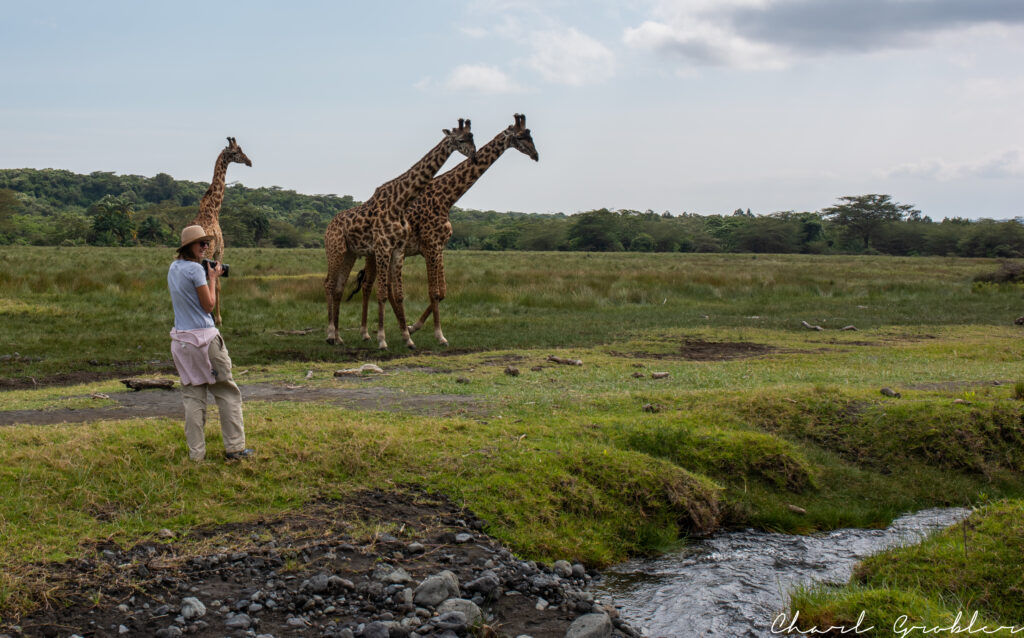
Africa is a year-round destination, with each season offering something slightly different.
In general, you can expect warm days and cooler mornings and evenings, particularly in higher-altitude areas such as Kenya’s highlands — where early game drives often call for a light jacket.
The dry seasons are typically best for wildlife viewing, while the greener months offer fewer crowds and beautiful landscapes.
The right time to travel ultimately depends on what you want to experience — something I guide each client through when designing their safari.
Weather and Seasons: What to Expect in East Africa
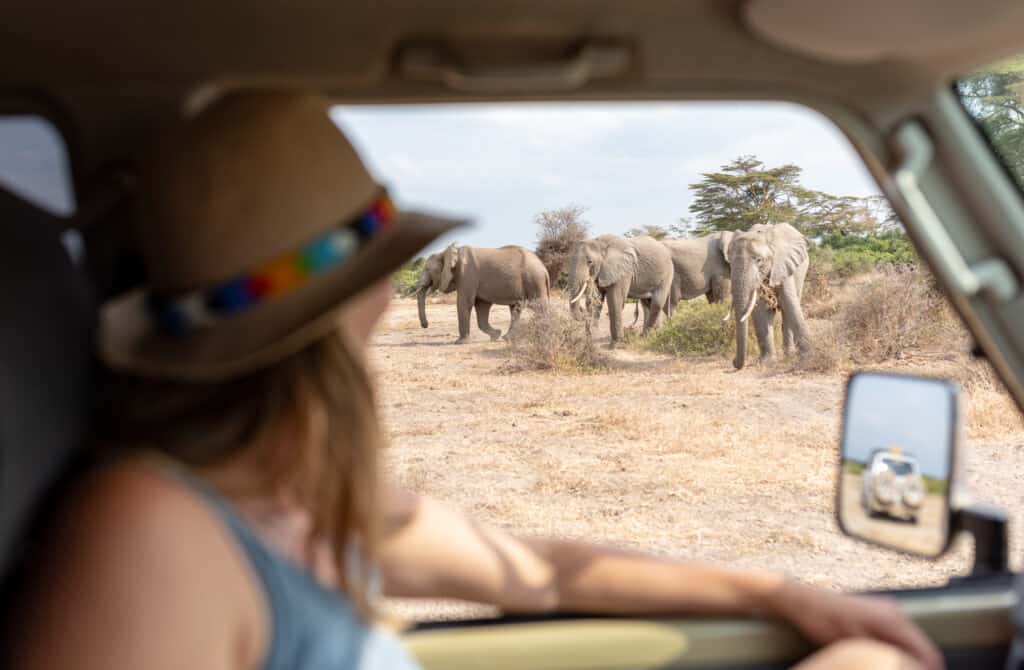
So, we’ve covered wet and dry seasons, but what else can you expect from the weather in East Africa? East Africa’s weather varies depending on the region, but in general, the climate is tropical, with temperatures averaging between 21°C to 29°C (70°F to 85°F) throughout the year.
However, don’t be fooled into thinking Africa is always hot. Higher elevations, such as those found in the Kenyan highlands, can experience cooler temperatures. When I lived in Lewa I would go on safari in the mornings and evenings with a woolly hat and down jacket and also have a shuka (blanket) wrapped around me.
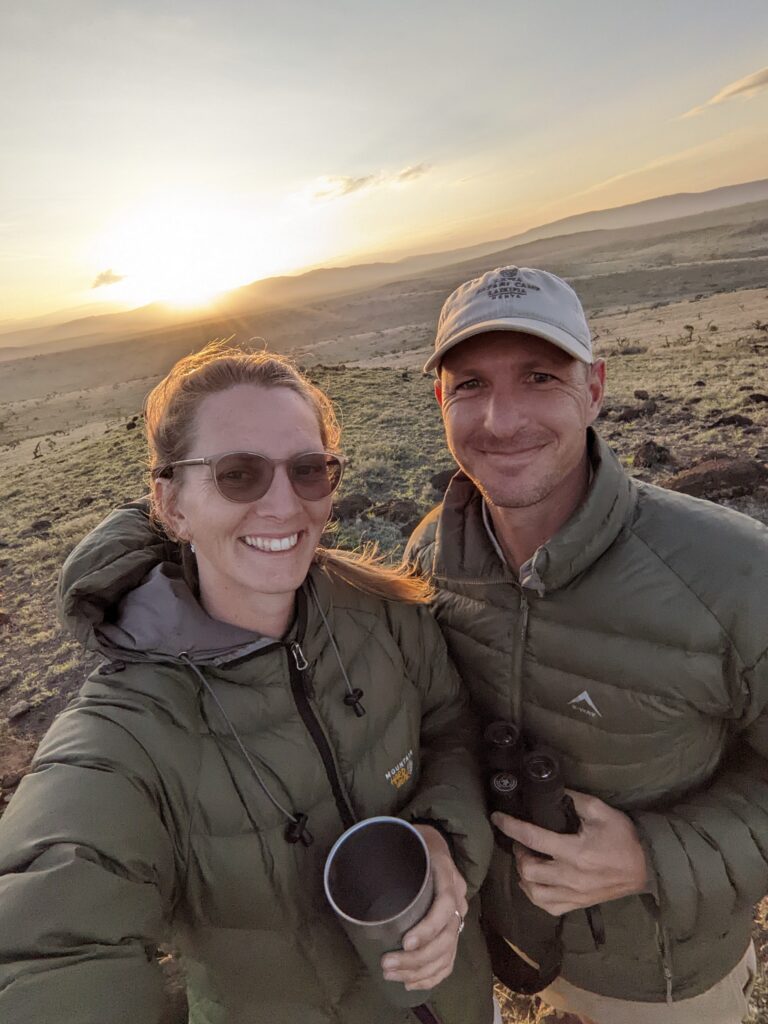
By the time the sun came out, it was warm and I would be down to shorts and a t-shirt.
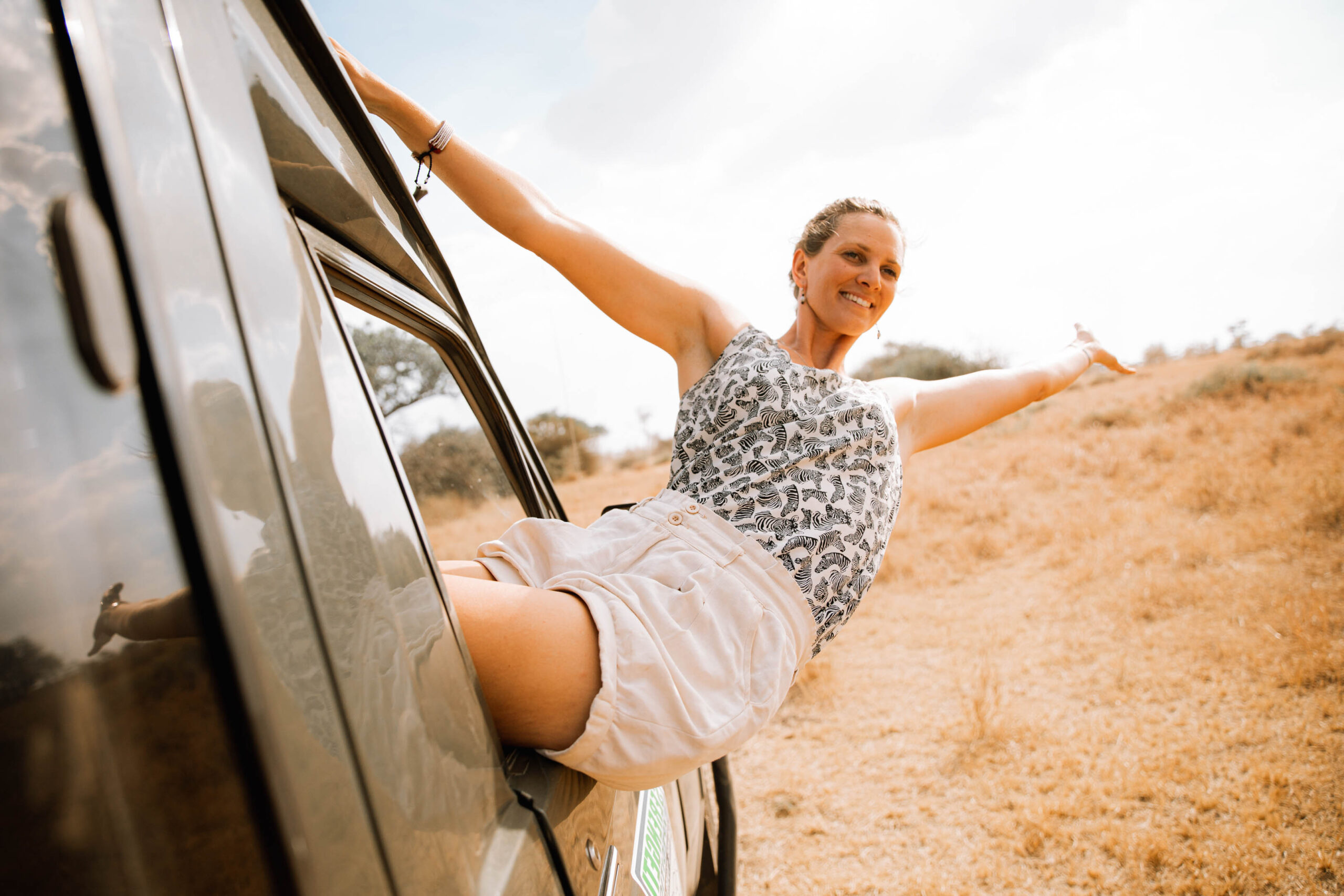
The dry season typically brings sunny days and cooler nights, while the wet season sees short, intense bursts of rain, often in the afternoons.
Getting There & Getting Around
International flights arrive into key hubs such as Nairobi, Kilimanjaro, and Entebbe, with direct connections from many major cities.
From there, your journey becomes seamless.
Most safaris include:
airport meet and greet
private transfers
internal flights or guided drives between lodges
For a more efficient and comfortable experience, many itineraries include light aircraft flights between camps — maximising your time in the bush.
Safari vehicles are typically custom Land Cruisers with open roofs, designed specifically for wildlife viewing and comfort.
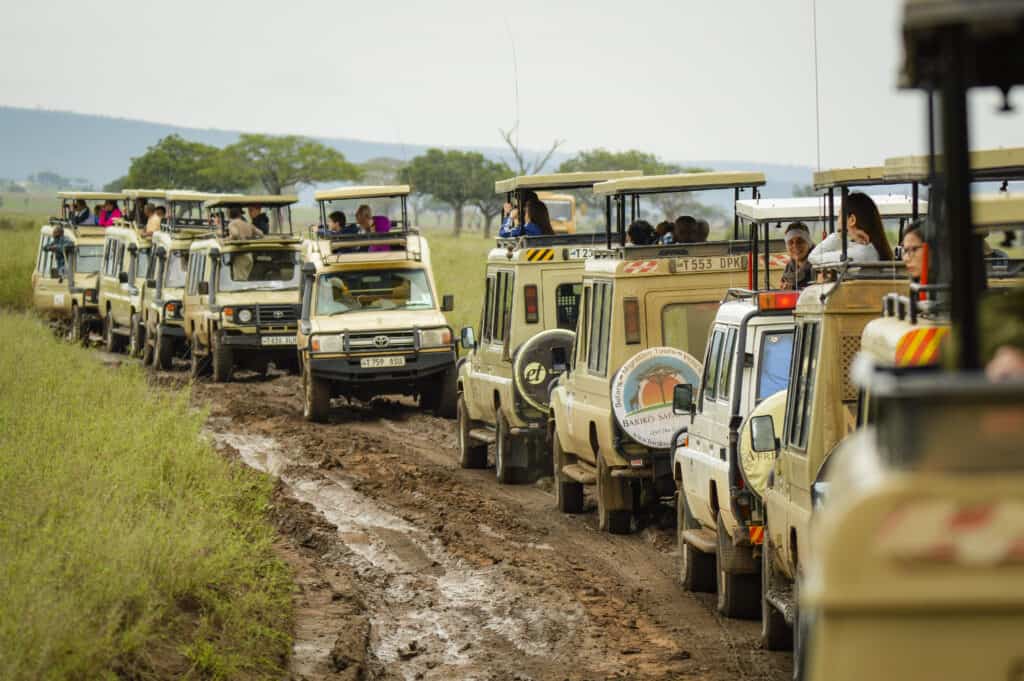
Itineraries typically include a step-by-step breakdown of each step of the trip, whether you will be driving, flying or even getting the train.
If part of your journey is with a domestic flight your plane will look something like this:

Or even this if you are on a chartered flight:
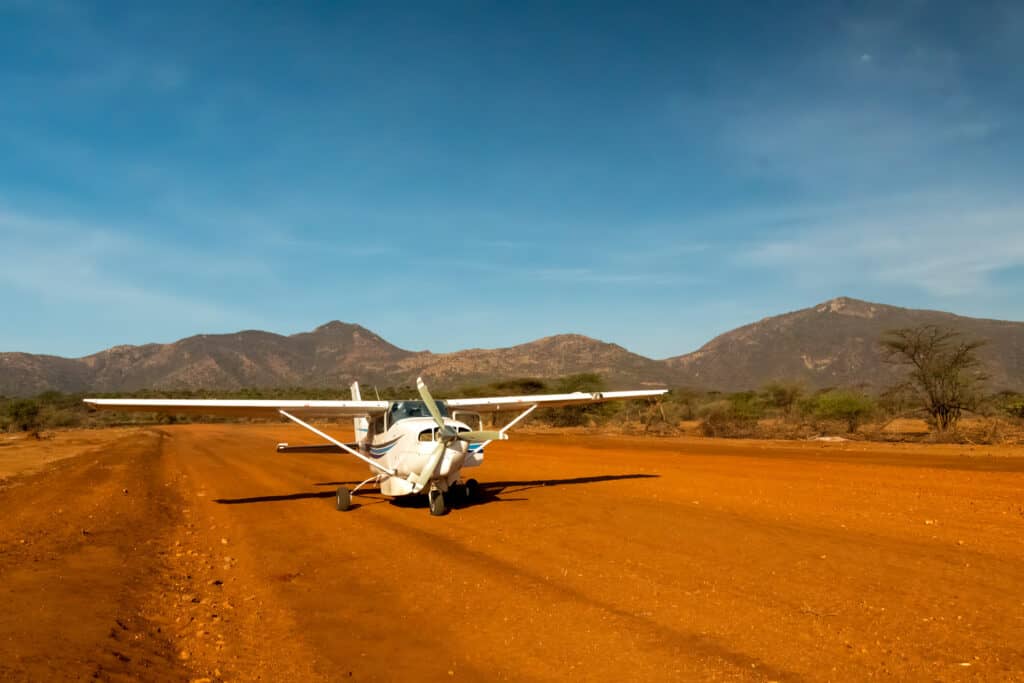
As a result, your luggage will be restricted to 15/20kg in a soft-sided luggage bag. Read the post What to pack for an African safari for recommendations on luggage.
Documents & Entry Requirements
Before travelling, you’ll need:
A passport valid for at least 6 months
Relevant visas or entry permits
Proof of any required vaccinations
If you are going to Tanzania, check out this article about How to apply for a Visa to Tanzania. It provides detailed information on visa requirements and application procedures.
For Kenya, there is no visa requirement anymore but you do need to apply for an ETA. Read this post for more information on how to apply for your eTA:
No visa for Kenya, how to apply for an eTA
Most people get their eTA within 3 business days.
Your eTA remains valid for more than one entry if:
- You visit one of the following EAC Partner States: Burundi, Democratic Republic of Congo, Rwanda, South Sudan, Tanzania and Uganda, AND;
- You don’t visit any other country, AND;
- Your eTA has not expired (90 days from issuance)
*This information is correct as of the time of writing but it’s worth checking prior to your trip to see if anything has changed.
Zanzibar
As of 1st October 2024 it is now compulsory for you to but travel insurance before you arrive on the island. The insurance has to be purchased from this website, the cost is $44.
Requirements vary depending on your itinerary, and I guide you through exactly what’s needed based on your route.
Travel with Confidence
East Africa is an incredibly welcoming and rewarding destination to explore.
Like any international travel, it’s important to:
use trusted operators
follow local guidance
stay informed
When your safari is planned correctly, every detail — from logistics to safety — is handled seamlessly behind the scenes.
For a detailed guide on staying safe while on safari, check out Your Ultimate Guide to Safe Safari Planning in East Africa.
Safeguard Your Health: Essential Vaccinations for East Africa
Ensuring you’re up to date on vaccinations is a must for a safe and healthy trip to East Africa. Depending on your itinerary and personal health history, you may need vaccinations for diseases such as yellow fever, typhoid, hepatitis A and B, and meningitis.
Yellow fever is only required if you are travelling from a destination which is deemed as high risk for yellow fever. If your safari involves travelling from Tanzania to Kenya then you will require a yellow fever certificate, this will be checked at the border.
It’s recommended to consult with a healthcare professional or visit a travel clinic well in advance of your departure to receive personalised advice on which vaccinations are necessary. For more information on vaccinations needed for an East African safari, take a look at this article, Vaccinations Needed for a Safari in East Africa.
Explore East Africa Safaris
No visit to East Africa would be complete without embarking on a safari adventure. Witnessing the iconic Big Five in their natural habitat, traversing the vast plains of the Maasai Mara, and encountering the vibrant cultures of the region are just a few highlights of an East African safari. If you’re wondering what to expect on a typical day of safari or need tips on packing for your adventure, be sure to check out the following resources:
A More Considered Way to Travel
A safari is not a typical holiday.
It’s a complex journey with many moving parts — and when planned well, it feels effortless.
This is where experience matters.
Ready to start planning your East African Safari?
Fill out a form or book a call, and let’s get planning…
Book a free safari planning call
Fill out a form for a free custom safari itinerary
Not ready yet? No problem…
But don’t leave empty-handed
As a free gift to you …
Download my free E-book
With all you need to know when considering planning a safari in East Africa.